
How to Change Your Illinois Registered Agent for Nonprofits: A Step-by-Step Guide

At a Glance
Changing your nonprofit’s registered agent in Illinois requires filing Form NFP 105.10/105.20 with the Secretary of State and paying a $5 fee. The process can be completed online, by mail, or in person, and involves updating your organization’s official records with new agent information.
Why Nonprofits Need a Registered Agent
A registered agent serves as the official point of contact between your nonprofit and the state of Illinois, ensuring timely receipt of crucial legal documents and government correspondence. Understanding the requirements and significance of this role helps maintain your organization’s compliance and tax-exempt status.

Legal Requirements for Illinois Nonprofits
Under Illinois state law, every nonprofit must maintain a registered agent with a physical office address in the state. The registered agent can be either an individual residing in Illinois or a corporation authorized to act as an agent for other corporations.
- A physical street address or rural route number in Illinois
- Cannot be solely a P.O. Box
- Must be accessible during regular business hours
Additionally, your registered agent must be available during standard business hours to receive important documents. Your registered agent service ensures legal notices reach your entity, while most other government mail and nearly all tax notices go elsewhere. Wage-garnishment notices represent the main tax-related exception that registered agents typically handle.
Documents your registered agent receives include:
- Service of process notifications
- Wage-garnishment notices
- State compliance updates
- Legal correspondence
Failing to maintain a proper registered agent can result in serious consequences for your nonprofit, such as:
- Administrative dissolution
- Loss of good standing with the state
- Default judgments in legal cases
- Missed regulatory deadlines
Role in Maintaining Tax-Exempt Status
Your registered agent plays a vital role in preserving your nonprofit’s tax-exempt status through proper handling of legal notifications and compliance requirements. For organizations seeking or maintaining 501(c)(3) status, the registered agent ensures receipt of critical legal documents that could affect your organization’s standing.
The registered agent’s responsibilities focus on legal document receipt and forwarding. They must promptly forward time-sensitive materials that could affect your organization’s legal status. This includes service of process documents and legal notices that require immediate attention.
For nonprofits operating across multiple states, registered agent requirements become more complex. Each state where your organization conducts business or solicits donations may require a separate registered agent appointment. This ensures compliance with state-specific regulations in each jurisdiction where you operate.
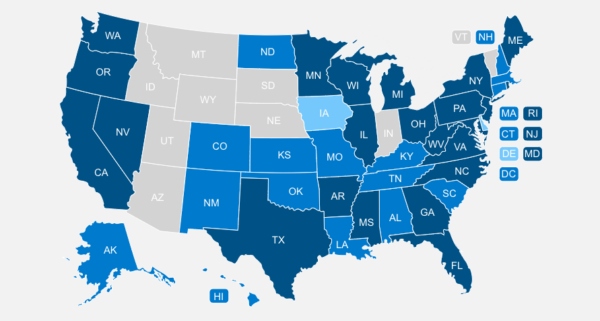
Up to 18 states also require nonprofits to name a registered agent on charitable-registration filings. Important note: changing your secretary-of-state registered agent does not automatically update your charitable-registration agent. That requires a separate charitable filing in those states.
Moreover, the registered agent maintains a crucial link between your nonprofit and the Illinois Attorney General’s office, particularly for organizations required to register under the Illinois Charitable Trust Act or Solicitation Act. This connection helps ensure your nonprofit meets all state-level charitable organization requirements.
Remember that changes in your registered agent information must be reported to the Illinois Secretary of State (217-782-7880, ilsos.gov) using Form NFP 105.10/105.20. Maintaining current registered agent details helps prevent disruptions in receiving important notices that could affect your nonprofit’s operational status.
When Should You Change Your Registered Agent?
Keeping your nonprofit’s registered agent information current stands as a cornerstone of maintaining good standing with the Illinois Secretary of State. Understanding when and why to make this change helps protect your organization from potential legal complications.
Signs It’s Time for a Change
Several indicators signal the need to update your registered agent:
- Your current agent has become unresponsive or inefficient in forwarding important documents
- The agent’s physical location has changed or they plan to relocate outside Illinois
- Communication delays have resulted in missed deadlines or notices
- Your organization needs more comprehensive registered agent services
- Cost considerations or service quality issues with your current provider
Important clarification: Moving your nonprofit’s office does not require a registered agent change unless your nonprofit used its own office as the registered agent address. The registered agent and your nonprofit’s principal office serve different functions.
For nonprofits operating in multiple states, consolidating registered agent services under one vendor offers convenience and efficiency benefits, though it’s not legally required. Multistate growth itself is not a legal reason to change agents; consolidation with one vendor is a best-practice convenience that can improve document management and reduce administrative burden.
Common Scenarios Requiring Agent Updates
Board transitions often necessitate registered agent changes. Some specific situations that warrant an update include:
- Resignation of the current registered agent
- Death or retirement of the current agent
- Removal of board members who served as registered agent
- The old agent continues billing after you’ve decided to switch
- The old agent resigns and leaves your entity without representation
Illinois requires that changes to your registered agent or registered office be filed with the Secretary of State. Failing to maintain an active registered agent could result in:
- Missing critical legal notices
- Loss of good standing status
- Potential administrative dissolution
- Complications when expanding operations to new states
Timing Your Change Request
Strategic timing of your registered agent change helps ensure a smooth transition. Generally, timing is immaterial for filing the change unless specific circumstances apply.
There is no deadline to file a registered agent change unless:
- The old agent continues billing for services you no longer want
- The old agent resigns and leaves your entity without proper representation
Consider these key factors when planning your change:
- Filing readiness
- Ensure your organization’s information is accurate and you have the current form and fee for nonprofits
- Resolve any known issues that could delay processing
- Processing timelines
- Processing times vary; expedited service may be available from the Secretary of State for an additional fee
- Plan for potential delays during busy filing periods
- Cost considerations
- Illinois nonprofits pay a $5 filing fee to change registered agent
- Consider any overlapping service fees from your current and new agents
Before initiating the change, ensure your new registered agent has:
- A physical address in Illinois
- Availability during regular business hours
- Experience handling nonprofit compliance matters
- Understanding of the importance of prompt document forwarding
Once approved internally, submit the required form promptly to avoid gaps in representation. Maintaining continuous registered agent coverage protects your nonprofit from legal and operational risks.
Required Documents and Fees
Filing the correct paperwork stands as the first step toward successfully changing your nonprofit’s registered agent in Illinois. Understanding the required form and associated costs helps streamline this essential process.
Statement of Change Form
For Illinois nonprofits, Form NFP 105.10/105.20 serves as the official document for updating registered agent information. This form generally requires:
- Your nonprofit’s official name as registered with the state
- State of incorporation details
- Current registered agent information
- New registered agent details (name and Illinois address)
- Signature of an authorized officer
- Effective date of the change
Critical requirement: A P.O. Box alone cannot serve as the registered office location. The new registered agent must provide a physical street address in Illinois where they can receive documents during business hours.
The form must be completed accurately to avoid processing delays. Double-check all information before submission, particularly:
- Correct spelling of your nonprofit’s legal name
- Accurate current and new agent information
- Proper officer signature and title
Current Filing Fees
The Illinois Secretary of State charges nonprofits a $5 filing fee to change registered agent information. This fee applies regardless of filing method chosen.
Additional considerations:
- Expedited processing may be available for an additional fee
- Check current processing options with the Secretary of State before filing
- Payment methods vary by submission type (online, mail, or in-person)
Important note: No late fees, penalties, or additional records-management duties arise from filing this change. The process is straightforward with minimal administrative burden.
Submission options include:
- Online filing through the Secretary of State portal
- Mail-in submission with check or money order
- In-person filing, where available
Upon successful filing, maintain copies of all documentation for your nonprofit’s records and future reference. The state will provide confirmation once your change is processed and approved.
Filing Methods Available
The Illinois Secretary of State offers multiple pathways to update your nonprofit’s registered agent. Each method presents distinct advantages based on processing speed, convenience, and cost considerations.

Online Filing Process
The electronic filing system typically provides the quickest method for updating your registered agent information. Through the Secretary of State’s online portal, nonprofits can generally:
- Access the not-for-profit filing section
- Select the statement of change option
- Enter current organization details
- Provide new registered agent information
- Upload required documentation if needed
- Submit payment electronically
- Receive immediate confirmation of filing
Online filing advantages include:
- Faster processing times
- Immediate payment confirmation
- Electronic receipt for records
- Reduced risk of mail delays
Mail-in Submission Steps
Mailing your agent change form remains a reliable option for nonprofits preferring traditional filing methods. The process typically requires:
- Completing Form NFP 105.10/105.20 in its entirety
- Including payment for the $5 filing fee (check or money order)
- Submitting to the appropriate Illinois Secretary of State address
- Allowing additional processing time for mail delivery
Mail-in filing considerations:
- Allow extra time for postal delivery both ways
- Use certified mail for important documents
- Include return envelope if requesting confirmation
- Verify current mailing address with the Secretary of State
In-Person Filing Options
In-person filing may be available at Secretary of State offices, though availability can vary. Contact the Illinois Secretary of State directly to verify current options and office hours.
Benefits of in-person filing:
- Immediate review of documents for completeness
- Instant clarification of any questions
- Same-day processing in many cases
- Personal assistance with filing requirements
Regardless of filing method chosen, maintain proper documentation throughout the process. This safeguards your nonprofit’s compliance status and provides necessary records for future reference.
What Happens After Filing?
Once your Illinois registered agent change request receives approval, several practical steps help maintain seamless operations and ensure your nonprofit benefits from the transition.
Updating Internal Records
Systematically update these internal documents and systems to reflect your new registered agent information:
- Corporate governance documents – bylaws, board resolutions, and meeting minutes
- Financial systems – accounting software, payroll records, and banking information
- Donor and stakeholder communications – donor management databases and grant applications
- Public-facing materials – website contact information, email signatures, and letterheads
- Legal agreements – contracts, leases, and vendor agreements listing registered agent details
- Insurance policies and risk management documentation
- Governance policies listing addresses and contact information
This comprehensive update process ensures consistency across all organizational touchpoints and prevents confusion about your current registered agent.
Coordinating with Your New Agent
Establish clear communication protocols with your new registered agent:
- Confirm preferred methods for document forwarding (email, mail, or phone notification)
- Provide current contact information for key personnel
- Establish procedures for handling time-sensitive documents
- Clarify availability expectations and emergency contact protocols
For organizations using commercial registered agent services, verify access to any online portals or document management systems included with your service.
Maintaining Compliance Records
After completing internal updates, focus on maintaining proper organizational records. Document the change process thoroughly:
- File copies of all Secretary of State confirmations
- Maintain records of when internal systems were updated
- Note any challenges encountered during the transition
- Schedule follow-up reviews to ensure the change was implemented correctly
For organizations operating across multiple states, review whether any state registrations or charitable filings list your registered agent information. These may require separate update filings:
- State charitable organization registrations
- Professional licenses or permits
- Multistate solicitation registrations
- Foreign qualification documents in other states
Remember: Changing your Illinois secretary-of-state registered agent does not automatically update registered agent information for charitable registrations in Illinois or other states. Those require separate filings.
Monitoring the Transition
Verify that your new registered agent arrangement is working effectively:
- Confirm receipt of the first few documents forwarded by your new agent
- Test communication channels and response times
- Ensure no documents are lost during the transition period
- Address any service issues promptly with your new provider
Finally, schedule regular reviews of your registered agent information to ensure continued accuracy. This proactive approach helps prevent future compliance issues and maintains strong organizational records. Consider annual reviews as part of your nonprofit’s compliance calendar.
Professional Registered Agent Services
For nonprofits seeking reliable, specialized registered agent services, Labyrinth offers comprehensive solutions designed specifically for nonprofit organizations. With our unique nonprofit expertise, we understand the distinct compliance requirements that charitable organizations face.
Our registered agent services include:
- Nationwide coverage – a network of offices open during business hours so you never miss urgent documents
- SOC 2 Type II compliant nonprofit-specific client portal for secure document access
- Full-service handling of all registered agent responsibilities
- Regulatory guidance specific to nonprofit compliance requirements
- Privacy shielding to protect your organization’s principal address
- Reliable document management with prompt forwarding of time-sensitive materials
Consolidation Benefits for Multistate Nonprofits
For organizations managing compliance across multiple jurisdictions, Labyrinth’s consolidated services offer significant advantages:
- One vendor, one invoice, one portal – reducing administrative complexity
- Fewer missed notices and faster responses through centralized management
- Consistent service quality across all states where you operate
- Simplified communication with a single point of contact
Bulk-Change Program
We offer special considerations for organizations switching from another provider:
- Discounted fees (sometimes waived) for volume registered agent changes
- State filing fee coverage in many cases
- Extended first-year service up to 12 months so you avoid double-paying overlapping contracts
- Coordinated transition to minimize service disruptions
Our specialized approach helps nonprofit organizations maintain proper standing while focusing on their mission-critical work. We recommend consulting with experienced professionals when making registered agent changes to ensure smooth transitions and continued compliance.
Conclusion
Changing your nonprofit’s registered agent stands essential for maintaining compliance and protecting your organization’s legal status. A reliable registered agent ensures timely receipt of critical legal documents, from service of process to wage-garnishment notices, safeguarding your nonprofit’s operations.
Successful agent changes depend on careful planning, proper documentation, and thorough follow-through. Remember to:
- File Form NFP 105.10/105.20 with the $5 fee to the Illinois Secretary of State
- Update all internal records and systems
- Coordinate separate filings for charitable registrations if needed
- Maintain accurate documentation throughout the process
- Regularly verify your registered agent information remains current
Most importantly, choose a registered agent who understands nonprofit compliance requirements and provides reliable service during business hours. This decision affects every aspect of your organization’s legal and administrative operations, making it crucial for long-term success.
States do not penalize nonprofits for having unreliable agents; they simply need a registered agent on record. However, choosing a dependable, experienced commercial registered agent helps ensure your nonprofit never misses critical legal notifications that could impact your operations or standing.

Frequently Asked Questions
