
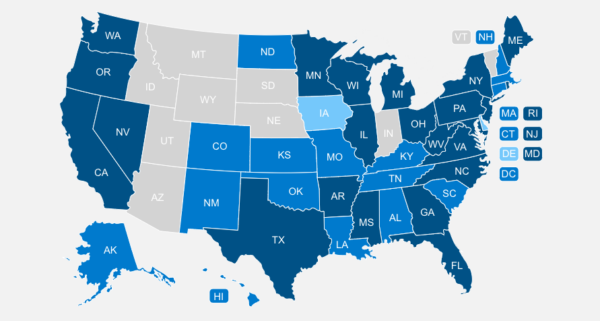

Cause Marketing and Commercial Co‑Venture by State: Essential Registration Requirements Guide
Cause-Marketing and Commercial Co-Venture in Arizona: Essential Registration Requirements Guide
At a Glance
Arizona does not require state-level registration for commercial co-venturers, unlike many other states that mandate formal registration and bonding. However, you must still maintain proper written agreements with charitable partners and comply with applicable laws, especially if your campaign extends beyond Arizona where other states may impose registration and reporting requirements.
What Is a Commercial Co-Venture in Arizona?
Are you considering a commercial co-venture to boost your business while supporting a worthy cause in Arizona? Before launching your campaign, you need to understand the specific requirements that apply in this state. Commercial co-ventures—partnerships between businesses and charities where a portion of sales benefits the nonprofit—are subject to detailed regulations in Arizona.

Importantly, while Arizona does not require a state-level commercial co-venturer registration, you still must ensure your activities comply with applicable laws and your agreements. If your campaign extends beyond Arizona, other states may impose registration, contract filing, reporting, and renewal obligations. This guide will walk you through all the essential requirements for commercial co-ventures in Arizona, from initial paperwork to maintaining compliance long-term.
What qualifies as a commercial co-venture under Arizona law
Commercial co-ventures, also referred to as charitable sales promotions, are business arrangements where a for-profit company represents that purchasing or using their goods or services will benefit a charitable organization or cause. Specifically, these are advertising or sales campaigns conducted by businesses that promise a portion of sales will support charity, as addressed in the Arizona Department of Revenue business recordkeeping guidance.
The business entity conducting such campaigns is known as a commercial co-venturer—typically defined as a person or company primarily engaged in trade or commerce for profit that conducts charitable sales promotions. These entities must be distinguished from professional fundraisers, as they are businesses whose primary purpose is commercial rather than fundraising.
Important: Arizona does not currently require traditional registration for commercial co-venturers at the state level. This sets Arizona apart from states like Alabama, California, Hawaii, Illinois, Massachusetts, Mississippi, and South Carolina, which mandate registration for companies engaging in these promotions.
Nevertheless, this lack of registration requirement doesn’t mean commercial co-venturers operate without regulation in Arizona. Indeed, commercial co-venturers may still need to follow other regulations before and after fundraising events. Furthermore, the state defines regulated fundraising activities under Title 44 of Arizona Revised Statutes, which outlines provisions related to solicitation of funds for charitable purposes.
How commercial co-ventures differ from charitable fundraising platforms
- Scope of activity: Commercial co-ventures typically involve specific product-linked donations where purchasing a product results in a donation. Conversely, charitable fundraising platforms often provide broader donation capabilities not necessarily tied to purchases.
- Registration requirements: Though Arizona doesn’t mandate CCV registration, other states are creating distinctions based on the number of charities involved. For instance, in California, entities conducting online CCV promotions benefiting more than 6 charities annually may be required to register as charitable fundraising platforms rather than CCVs.
- Operational differences: Commercial co-ventures generally operate through direct partnerships with specific charities, whereas fundraising platforms might serve as intermediaries connecting multiple donors with multiple charities.
For businesses operating across state lines, this distinction becomes particularly significant. Your Arizona-based commercial co-venture might be exempt from registration locally but could trigger platform registration requirements if operating online and benefiting multiple charities in states with more stringent regulations.
Although not all states regulate commercial co-ventures, approximately 21 jurisdictions do impose requirements on these arrangements. Therefore, despite Arizona’s relatively light regulatory touch, understanding these distinctions remains critical for businesses engaging in cause marketing within the state.
Arizona Registration Requirements for CCVs
The landscape for commercial co-ventures in Arizona differs markedly from many other states when it comes to registration requirements. Understanding these unique aspects will save you time and resources as you plan your charitable sales promotion.
Why Arizona doesn’t require CCV registration
Surprisingly, Arizona takes a hands-off approach to commercial co-venture regulation. Arizona does not currently require traditional registration for commercial co-venturers at the state level. This stands in contrast to states like Alabama and Massachusetts that mandate registration and bonding of commercial co-venturers.
Even without a formal registration process, commercial co-venturers operating in Arizona would typically need to maintain certain business information that would be required in other jurisdictions, including:
- Company name and principal business address
- Names and contact information of primary officers
- Business structure and formation documents
- Description of the charitable sales promotion
- Duration and geographic scope of the promotion
These details form the foundation of your commercial co-venture’s operational framework, even if not formally filed with state authorities.
Arizona-specific exemptions from registration
Arizona does not require charitable organizations to register with the state before soliciting, with a limited exception for solicitations in the name of American veterans’ organizations. Under A.R.S. § 13-3722(A) (Arizona veterans’ solicitations), any person soliciting money or support in the name of American veterans must ensure the veterans’ organization files a registration statement with the Secretary of State.
Consequently, if your commercial co-venture benefits a veterans’ charity, you should verify that the charitable organization has properly registered with the Secretary of State in accordance with A.R.S. § 13-3722. For other charitable partnerships, there is no state charitable solicitation registration requirement in Arizona. When CCV activity involves nonprofits operating across multiple states, those organizations may need active charitable solicitation registrations in jurisdictions where such campaigns are considered solicitation activities.
It’s worth noting that this exemption applies exclusively to Arizona operations. If your commercial co-venture extends to multiple states, you may face registration requirements in approximately 21 other jurisdictions that regulate these activities.
What about filing fees?
Because Arizona does not require commercial co-venturer registration, there is no Arizona-specific filing method or fee for CCV registration.
For veterans’ organizations, A.R.S. § 13-3722 requires filing a registration statement with the Secretary of State. Procedures, forms, and any applicable requirements for that registration are administered by the Secretary of State. Organizations should consult the Secretary of State for current submission options and documentation requirements.
Furthermore, Arizona’s regulatory approach doesn’t eliminate other potential business filing requirements. Your company may still need to register its business entity, obtain relevant licenses, and comply with tax obligations unrelated to the charitable aspects of your promotion.
Essentially, while Arizona has removed most charitable registration hurdles, you must remain vigilant about compliance with the contract and disclosure obligations that may still apply to your commercial co-venture activities.
Contract Filing and Consent Obligations
Contract agreements form the backbone of every commercial co-venture relationship, regardless of state registration requirements. Even in Arizona, where formal registration may not be required for most commercial co-venturers, proper documentation of these partnerships remains crucial.
Written agreement requirements with charitable organizations
Many states require a written agreement between the business and the charitable organization and prescribe specific contract contents. Arizona law does not prescribe CCV-specific contract content requirements or a standardized state form for CCVs. As a matter of sound practice, parties should execute a written agreement that clearly describes the promotion, the amount or percentage benefiting the charity, and the campaign’s timing. If your promotion targets other states, incorporate any specific contract terms those jurisdictions require.
We help coordinate CCV filings across multiple jurisdictions, review contract elements for state-specific provisions, and ensure agreements meet disclosure standards across different jurisdictions.
Disclosure of donation amount and campaign duration
Some states require advertisements for charitable sales promotions to disclose how purchases benefit the nonprofit (for example, a stated dollar amount or percentage and campaign dates). Arizona law does not impose CCV-specific statewide advertising disclosures, but if your campaign reaches other jurisdictions, ensure your materials meet each state’s disclosure rules.

Timing and method of contract submission
Arizona does not provide for a state-level CCV contract filing process. By contrast, several other jurisdictions require contracts or notices to be filed before a campaign begins. If your campaign will operate in those states, confirm and satisfy their pre-filing requirements before launch.
Overall, while Arizona offers a relatively streamlined regulatory approach to commercial co-ventures, following best practices for contract documentation and transparency ensures both legal compliance and ethical engagement with consumers and charitable partners.
Financial Reporting and Recordkeeping Duties
Much like neighboring states, Arizona commercial co-ventures must adhere to sound financial reporting and recordkeeping protocols after campaigns conclude. These practices ensure transparency between businesses, charities, and consumers participating in cause marketing initiatives.
Final accounting obligations post-campaign
After your charitable sales promotion ends, you should provide an accounting to the charitable organization consistent with your contract. Arizona law does not impose CCV-specific post-campaign financial report filings with a state agency. If you operate in other states, confirm whether those jurisdictions require post-campaign filings or reports.
Retention period for financial records
Maintain records supporting your campaign’s revenues and remittances in accordance with Arizona tax recordkeeping rules. The Arizona Department of Revenue generally expects businesses to retain records sufficient to verify tax liabilities, commonly for at least four years from the date a return is filed. Determine whether longer retention applies to your situation and retain documents accordingly, referencing the Arizona Department of Revenue business recordkeeping guidance.
What must be included in financial disclosures
Your internal accounting should capture the number of items sold, amounts tied to each sale, gross receipts, expenditures attributable to the promotion, and the total amount paid (or to be paid) to the charitable organization. These records support both contractual obligations to your charitable partner and broader tax compliance.
Annual Renewal and Compliance Maintenance
After establishing your commercial co-venture, maintaining ongoing compliance becomes your next priority. Regular renewals represent a crucial aspect of this process, especially if your promotional campaigns extend beyond Arizona’s borders.
Renewal deadlines and forms
Unlike some states, Arizona doesn’t mandate annual renewals for commercial co-venturers. Nonetheless, if your promotions reach into other jurisdictions, you’ll need to track various renewal requirements:
- Alabama requires renewal by September 30 annually with a $100 fee
- California mandates renewal by January 15 with a $500 fee
- Massachusetts requires renewal by December 31 with a $200 fee
- South Carolina renewals are due annually on the registration date with a $50 fee
Each state typically requires submission of updated registration forms either online or by mail, depending on the jurisdiction.
Penalties for non-compliance or late filings
States may impose late fees or other penalties for delinquent filings or reports. Always review the official instructions and statutes for each jurisdiction in which you operate to determine specific penalties and cure periods.
Best practices for staying compliant year-round
To maintain ongoing compliance across multiple jurisdictions:
Firstly, develop a regulatory calendar tracking all filing deadlines across relevant jurisdictions. Secondly, implement digital recordkeeping systems for all financial transactions related to your campaigns. Thirdly, regularly review your contracts with charitable partners to ensure they contain all required disclosures.
Ultimately, consider engaging compliance specialists familiar with multi-state CCV requirements. We help coordinate state-specific obligations, ensure filings meet disclosure standards, and track renewal deadlines across different jurisdictions. This approach helps avoid unexpected penalties while maintaining your company’s reputation for transparent charitable partnerships and makes compliance management efficient.
Conclusion
Navigating the regulatory landscape for commercial co-ventures in Arizona requires understanding its distinct approach compared to other states. Throughout this guide, you’ve learned that Arizona stands apart from states like Alabama, California, and Massachusetts by not mandating traditional registration for commercial co-venturers at the state level. This unique regulatory framework, however, doesn’t eliminate all compliance responsibilities.
Despite the absence of formal registration requirements, written agreements between your business and charitable partners remain essential. These contracts serve as your primary protection, establishing clear expectations about donation amounts, campaign duration, and financial arrangements. Additionally, maintaining comprehensive documentation helps safeguard both parties involved in your cause marketing initiative.
Cross-state operations demand particular attention to compliance. Your Arizona-based commercial co-venture might benefit from local regulatory flexibility, but operations extending into approximately 21 other jurisdictions could trigger various registration obligations. Each state enforces different deadlines, forms, and fee structures that necessitate careful tracking. When campaigns involve nonprofits operating across multiple states, those organizations may also need charitable solicitation registrations in jurisdictions where CCV activity is considered solicitation.
Financial accountability still forms a cornerstone of ethical commercial co-ventures in Arizona. After campaign completion, provide an accounting to your charitable partner, documenting sales figures, expenditures, and donation amounts. Proper record retention—commonly at least four years under Arizona tax recordkeeping rules—supports both regulatory compliance and tax reporting requirements.
Year-round compliance management represents your best defense against potential penalties. A well-maintained regulatory calendar, digital recordkeeping systems, and regular contract reviews will help your business maintain transparent charitable partnerships. This systematic approach not only meets legal obligations but also builds consumer trust in your promotional campaigns.
Commercial co-ventures offer powerful opportunities to support worthy causes while enhancing your business. Armed with this guide to Arizona’s requirements, you can now confidently structure charitable sales promotions that comply with state regulations while making meaningful contributions to your selected nonprofit partners.

Frequently Asked Questions
