
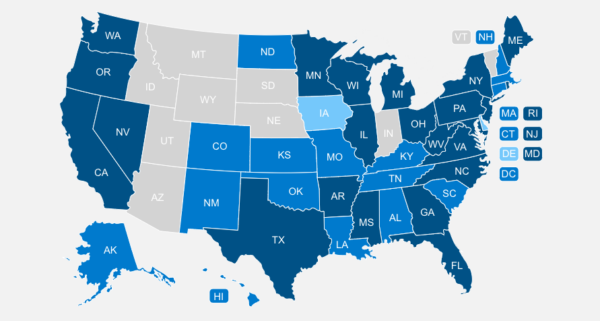

Cause Marketing and Commercial Co‑Venture by State: Essential Registration Requirements Guide
Cause-Marketing and Commercial Co-Venture in California: Essential Registration Requirements Guide
At a Glance
Your business must register as a commercial co-venturer with California's Attorney General if your promotional campaigns benefit charities and you don't qualify for specific exemptions. You'll submit Form CT-5CF with a $500 fee before launching any campaigns, file annual financial reports by January 30, and renew your registration by January 15 each year.
When your company promises to donate proceeds from product sales to charity, you're not just creating goodwill—you're entering a regulated space with legal obligations. California requires commercial co-venturers to register with the state, maintain written contracts, submit financial reports, and keep records supporting their filings. Failure to meet these requirements can result in penalties. This guide walks you through the essential registration process, contract requirements, financial reporting obligations, and annual renewal procedures you need to follow when conducting charitable promotions in California.
Who Qualifies as a Commercial Co-Venturer in California
Understanding if your business qualifies as a commercial co-venturer is the first step in navigating California's charitable promotion regulations. These rules affect how you structure, register, and operate cause-related marketing campaigns.

Definition under California Government Code Section 12599.2
California Government Code Section 12599.2 defines a commercial co-venturer as any person or entity who, for profit, is regularly and primarily engaged in trade or commerce (other than in connection with raising funds for charitable purposes) and who represents to the public that the purchase or use of goods, services, entertainment, or any other thing of value will benefit a charitable organization or will be used for a charitable purpose.
In essence, if your primary business isn't fundraising but you promote that purchasing your products will benefit a charity, you're operating as a commercial co-venturer.
Distinction from professional fundraisers and platform charities
Although the California Attorney General's office classifies a commercial co-venturer as a type of professional fundraiser, important distinctions exist between these roles. Unlike professional fundraisers whose primary business is raising charitable funds, your business qualifies as a commercial co-venturer only if your main operations are non-fundraising commercial activities.
Recent legislation has created additional categories that may overlap with commercial co-ventures. If your business meets the definition of both a commercial co-venturer and a charitable fundraising platform under specific provisions of Section 12599.9, you'll be classified solely as a charitable fundraising platform. However, if your online solicitations benefit six or fewer charitable organizations per calendar year and you comply with subdivision (b) exemption requirements, you'll remain classified as a commercial co-venturer rather than a platform.
Exemptions under subdivision (b)
Subdivision (b) of Section 12599.2 provides a significant exemption path. Your business can avoid registration and periodic reporting to the Attorney General provided you meet these three conditions:
- You have a written contract with the charitable organization, signed by two officers of the charity, before making any public representations about your charitable promotion.
- You transfer all funds, assets, or property received from the promotion to the charity within 90 days after starting the representations and at the end of each successive 90-day period during the campaign.
- You provide a written accounting with each transfer that enables the charity to verify your representations were accurate and to prepare its own reports for the Attorney General.
This exemption option provides flexibility, especially for businesses conducting limited charitable promotions. If your online campaign benefits more than six different charities annually, you may need to register as a charitable fundraising platform instead.
Initial Registration Process for Commercial Co-Venturers
Once you've determined that your business qualifies as a commercial co-venturer in California, the next step involves registering with the state before launching any charitable promotion campaigns.
CT-5CF Form Submission Requirements
The registration process begins with Form CT-5CF (Commercial Co-venturer Annual Registration). This document serves as your formal registration with the California Attorney General's Registry of Charities and Fundraisers. You must complete this form in its entirety, providing information about your business, the charitable organizations you'll partner with, and the nature of your commercial co-venture activities.
Form CT-5CF requires several key pieces of information:
- Your business's legal name and contact information
- Details about your commercial co-venture activities
- Information about partner charitable organizations
- Certification that you understand your legal obligations
Importantly, this registration applies only to commercial co-venturers who don't qualify for exemptions under Government Code section 12599.2, subdivision (b).
Filing Method: Mail-only Process
California requires commercial co-venturers to submit their registrations by mail in accordance with the instructions on the CT-5CF form. Mail your completed CT-5CF form to:
Office of the Attorney General
Registry of Charities and Fundraisers
P.O. Box 903447
Sacramento, CA 94203-4470
The street address (1300 I Street, Sacramento, CA 95814) is provided for reference; mail submission remains the accepted filing method based on current form instructions. Allow sufficient time for postal delivery when planning your registration timeline.
Registration Fee and Payment Instructions
Along with your completed CT-5CF form, you must submit a registration fee of $500.00. Payment must be made by check payable to "The Attorney General's Registry of Charities and Fundraisers."
Deadline for Initial Registration
First-time commercial co-venturers must register prior to engaging in any coventure activities in California. For ongoing operations, the annual registration deadline falls on January 15 of each calendar year in which you plan to conduct charitable promotions. For more information, see the California Attorney General’s commercial co-venturer guidance.
Failing to meet deadlines can trigger late fees authorized under state law. Given the mail submission process and potential processing times, plan your registration well in advance of any anticipated commercial co-venture activities.
Contract Filing and Disclosure Obligations
Beyond registration, your commercial co-venture in California requires carefully structured contracts and specific disclosures. These legal safeguards protect both consumers and charitable organizations while ensuring your campaign operates within state guidelines.
Written Contract Requirements with Charities
California law mandates a written contract between your business and the charitable organization before you make any public representations about your campaign. This formal agreement serves as the foundation of your commercial co-venture relationship and must be signed by two officers of the charitable organization. Without this properly executed contract in place (and the other elements in subdivision (b)), you'll be required to register with the Attorney General's office and pay the associated fees.
The written contract isn't just a formality—it's a legal requirement designed to prevent disputes and misunderstandings regarding the terms of your charitable promotion. Moreover, the contract establishes clear parameters for how donated funds will be handled, protecting both parties and ensuring transparency throughout the campaign. When CCV activity occurs across multiple states, nonprofit partners may also need to evaluate whether such campaigns affect their charitable solicitation registration obligations in relevant jurisdictions.
Contract Terms: Recommended Content for Clarity and Accountability
- Start and end dates of the campaign
- Geographic location where the promotion will take place
- Complete description of the co-venture activities
- Estimated number of units to be sold or used
- Method of calculating the contribution (percentage, fixed amount, etc.)
- Process and timeline for transferring funds to the charity
- Guidelines for using the nonprofit's name and marks
These terms help define the scope of your charitable promotion, establish clear expectations for both parties, and provide a framework for accountability. Your agreement should also address how your business will provide accounting information to the nonprofit to support the nonprofit's own reporting obligations.

Filing of Contracts with the Attorney General
California does not require commercial co-venturers to file a copy of their contract with the Attorney General unless the Office specifically requests it.
Advertising Disclosures During Campaigns
Throughout your commercial co-venture campaign, provide clear disclosures in advertising so consumers understand the charitable component of your promotion and how contributions will be calculated. Ensuring transparency helps prevent consumer confusion and supports compliance with applicable California laws.
Financial Reporting and Post-Campaign Requirements
After wrapping up your charitable promotion, financial reporting becomes a critical compliance step. California maintains oversight of commercial co-ventures through reporting mechanisms.
CT-6CF Annual Financial Report Form
Following the completion of your charitable promotion, you must file Form CT-6CF (Annual Financial Report) with the Attorney General's Registry of Charities and Fundraisers. This form is required for each co-venture activity conducted on behalf of each charitable organization for which you received funds, assets, or property during the preceding calendar year. File the CT-6CF as instructed on the form.
For your report to be accepted, it must bear signatures from an authorized officer of your company plus two officers or directors of the charitable organization. If you don't control the funds directly, the charitable organization's officers must complete the revenue and distribution portions of the form.
Deadline for Financial Report Submission
The CT-6CF annual financial report must be filed no later than 30 days after the close of the preceding calendar year, making January 30 the universal deadline. Missing this deadline can lead to late fees. See the Attorney General’s CCV page for details.
These late fees typically amount to twenty-five dollars ($25.00) per month or partial month beyond the deadline. Submitting punctual reports helps you avoid penalties and maintain good standing with regulatory authorities.
Required Financial Details: Gross Receipts and Disbursements
Your annual report must contain detailed financial information about each campaign, including:
- Total revenue generated by the campaign
- Itemized expenses
- Total expenses
- Actual amount distributed to the charity
This financial reporting excludes any net profit or loss to your company as the commercial co-venturer.
Recordkeeping Obligations for Campaigns
Maintain comprehensive records related to each charitable promotion—such as contracts, promotional materials, financial statements, and accounting documents—to substantiate the information reported on your CT-6CF and to respond to any inquiries from the Attorney General, as required by law.
Annual Renewal and Ongoing Compliance
Renewal Using CT-5CF Form
To renew your commercial co-venture registration, submit the same Form CT-5CF (Commercial Co-venturer Annual Registration) used for initial registration. This form must be completed fully, signed, and accompanied by payment. Checks should be made payable to the "Attorney General's Registry of Charities and Fundraisers." Incomplete submissions lacking payment will be returned without processing.
Annual Deadline for Renewal Filing
Your renewal must be filed by January 15 of each calendar year in which you'll conduct charitable promotions. Given the mail submission process, submitting well ahead of this deadline helps avoid potential late fees. For guidance, see the California Attorney General’s commercial co-venturer guidance.
Penalties for Non-Compliance or Late Filing
Failing to renew on time may trigger penalties of $25.00 per month for each month or partial month beyond the deadline. The Attorney General may also take administrative actions until all filing requirements are met and outstanding penalties are paid.
Conclusion
Navigating California's commercial co-venture requirements demands careful attention to detail and thorough compliance with state regulations. Determine whether your business qualifies as a commercial co-venturer; submit Form CT-5CF with the $500 fee before commencing promotions; maintain compliant contracts and advertising disclosures; file Form CT-6CF by January 30; and renew annually by January 15. Systematic compliance protects your business reputation, builds consumer trust, and ensures charitable organizations receive the promised support.

Frequently Asked Questions
