

Cause Marketing and Commercial Co‑Venture by State: Essential Registration Requirements Guide
Delaware Commercial Co-Venture Requirements: Essential Registration Guide
At a Glance
Delaware does not require commercial co-venturers to register with state authorities before conducting charitable sales promotions. However, businesses must still follow Delaware’s charitable solicitation laws regarding consumer disclosures and avoiding misleading practices. Written agreements between businesses and charities remain essential despite minimal state requirements.
Did you know that commercial co-venture partnerships between businesses and charities require specific legal compliance in Delaware? When your business promotes that a portion of sales will benefit a charitable cause, you’re entering the world of commercial co-venture—a marketing strategy that builds goodwill while supporting important causes. However, navigating Delaware’s regulatory requirements for these partnerships isn’t as straightforward as simply writing a check to charity.
Understanding Delaware’s specific rules for commercial co-venturers is essential to avoid potential penalties and protect your reputation. Additionally, proper compliance helps maintain transparency with consumers who make purchases based on your charitable claims. Throughout this guide, you’ll discover the exact registration processes, contract filing obligations, financial reporting requirements, and consumer disclosure rules that apply specifically to commercial co-ventures in Delaware. By the time you finish reading, you’ll have a clear roadmap for legally structuring your cause-related marketing campaigns in the state.
Who Qualifies as a Commercial Co-Venturer in Delaware
Understanding the legal classification of business-charity partnerships in Delaware starts with knowing exactly who qualifies as a commercial co-venturer. These partnerships differ significantly from other fundraising relationships, and Delaware law provides specific definitions to guide businesses engaging in cause-related marketing.

Definition under Delaware Charitable Solicitation Law
Delaware’s Charitable/Fraternal Solicitation Act does not define “commercial co‑venturer” or “charitable sales promotion.” Instead, the statute regulates charitable/fraternal solicitations and defines terms such as “professional solicitor” under the Delaware Charitable/Fraternal Solicitation Act definitions (6 Del. C. § 2593).
In simple terms, this guide uses “commercial co‑venturer” to refer to for‑profit businesses that run promotions benefiting charities, rather than entities primarily focused on fundraising.
- Retail stores pledging to donate a percentage of purchase price to charity
- Businesses donating specific amounts per unit sold to charitable organizations
- Companies underwriting charitable events while advertising the relationship
Distinction from Professional Fundraisers and Charities
Compared to Professional Solicitors: Delaware defines professional solicitors as persons who, for financial consideration, solicit contributions for a charitable/fraternal purpose or on behalf of a charitable/fraternal organization. See the definitions in 6 Del. C. § 2593. Unlike co-venturers, professional solicitors primarily engage in fundraising activities rather than selling products or services.
Regulatory Differences: Commercial co-venturers face fewer regulatory burdens than professional fundraisers or fundraising counsel. Whereas professional fundraisers/solicitors typically must register annually, post bonds, make specific disclosures, maintain detailed records, and file regular reports, commercial co-venturers operate under lighter regulation.
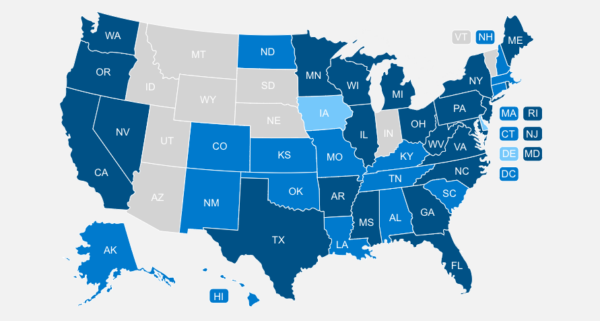
Regulatory Scope: Across the United States, commercial co-venturers are regulated in only 24 states plus the District of Columbia, with most jurisdictions not requiring annual registration or bonding. Nevertheless, it’s essential to understand that some states lacking explicit co-venturer regulations might still attempt to classify these businesses as professional fundraisers, depending on specific statutory language and promotional wording.
Delaware’s Approach: Delaware does not currently have a traditional registration requirement for commercial co-venturers, although other regulations may still apply before and after fundraising events. See the Harbor Compliance overview of Delaware charitable registration for general background.
A critical distinction worth noting: commercial co-venturers offer goods or services to consumers, with a portion of proceeds benefiting charity. In contrast, professional solicitors directly ask for charitable contributions without an exchange of products or services. This fundamental difference drives the varying regulatory approaches to each.
Initial Registration Requirements for Delaware CCVs
Delaware’s approach to regulating commercial co-ventures differs markedly from many other states. If your business is planning a cause-related marketing campaign in Delaware, understanding the state’s unique registration stance is essential for proper compliance.
Is Registration Required in Delaware?
The short answer: no. Delaware does not require commercial co-venturers to register at the state level. For general background, see the Harbor Compliance overview of Delaware charitable registration and the Harbor Compliance guide to commercial co‑venturer licensing.
Despite the absence of formal registration, this doesn’t mean commercial co-ventures operate in a completely unregulated environment in Delaware. Other regulations may still apply before and after fundraising events. This distinction makes Delaware one of the more business-friendly states regarding commercial co-venture regulation, making compliance manageable for businesses operating in the state.
Delaware’s position contrasts with at least 22 other states where commercial co-venture activities are regulated and may require special registration filings. Consequently, if your campaign extends beyond Delaware’s borders, you may face additional compliance requirements in those other jurisdictions. For multi-state campaigns, we support businesses with tracking varying requirements across different states and preparing required filings to ensure accurate and timely compliance.
Information Typically Required for Registration
Since Delaware does not mandate registration, there is no standard set of information that commercial co-venturers must submit to state authorities. Nevertheless, understanding what typically might be required in other states can help Delaware businesses prepare for multi-state campaigns:
- Legal name and contact information of the business
- Description of the charitable campaign
- Duration of the promotion
- Names of charitable organizations benefiting from the campaign
- Explanation of how contributions will be calculated
- Projected financial information
- Copies of promotional materials
In states requiring registration, failure to comply can result in penalties—including fines and, in some jurisdictions, even criminal penalties. Therefore, regardless of Delaware’s lenient approach, maintaining proper documentation of your charitable promotion remains a prudent business practice.
When to File Before a Campaign
Given that Delaware does not require registration, there is no mandatory filing timeline for commercial co-venturers operating solely within the state. Nonetheless, for businesses planning multi-state campaigns, timing considerations become important.
In some other states, pre‑campaign filings or notices may be required, and timing rules vary by jurisdiction. Always consult each state’s statutes or agency guidance before launch to determine whether advance notice, a written consent, or a filing is necessary.
For Delaware-based businesses running cause-related marketing campaigns exclusively within the state, the absence of registration requirements streamlines the process considerably. Even so, maintaining comprehensive records and ensuring transparent practices remain essential components of responsible commercial co-venture management.
Contract Filing and Disclosure Obligations
Though Delaware has minimal registration requirements, written agreements between commercial co-venturers and charities remain essential for legal protection and compliance. Even in states with lighter regulation like Delaware, proper documentation establishes the foundation for a transparent and legally sound cause-related marketing campaign.
Written Agreement Requirements Between Parties
The cornerstone of any commercial co-venture relationship is a formal written contract between the business and charitable organization. This document outlines the responsibilities of both parties and how contributions will be handled. Generally, state regulations require specific elements in these agreements to protect all parties involved.
While Delaware does not mandate particular contract provisions for commercial co‑venturers, understanding industry-standard requirements helps businesses prepare comprehensive agreements that would satisfy requirements in multiple jurisdictions. Commercial co-venture contracts typically include:
- Clear identification of both parties
- Duration of the promotional campaign
- Detailed explanation of how donations will be calculated
- Terms for transferring funds to the charity
- Recordkeeping responsibilities
- Rights of cancelation by either party
- Financial arrangement details, including percentages allocated to different purposes
At least sixteen states, including neighboring New Jersey, explicitly require written contracts between commercial co-venturers and charitable organizations. Some states dictate specific provisions that must appear in these contracts, such as statements about the charity’s right to cancel and financial arrangements between the parties. We help ensure contract language meets state requirements and includes necessary disclosure provisions for businesses operating across multiple jurisdictions.
Disclosure of Donation Amounts and Beneficiary
Transparency with consumers forms another crucial obligation for commercial co-venturers. Proper disclosure helps ensure customers understand how their purchases benefit the charitable cause.
In Delaware, the charitable solicitation law prohibits deceptive or misleading practices and requires certain disclosures during solicitations. Before making a solicitation, the person soliciting must identify themselves and the charitable/fraternal organization for which the solicitation is being made or the charitable/fraternal purpose of the solicitation. Upon request by the person being solicited, the solicitor must also disclose the amount/percentage of the contribution that will be turned over to the charitable/fraternal organization, the amount/percentage to be used for the purpose solicited, or the amount/percentage to be retained by any professional solicitor. See Delaware solicitation disclosure requirements (6 Del. C. § 2595).
The consequences of deceptive practices can be significant under Delaware law. A violation of § 2595 is deemed an unlawful practice in violation of § 2513 and may be enforced by the Attorney General. See enforcement provisions (6 Del. C. § 2597).

Timing for Contract Submission to State Authorities
Delaware doesn’t require commercial co-venturers to file contracts with state authorities. For multi-state campaigns, requirements and timing vary by jurisdiction; some states require pre‑campaign notices or contract filings. Always verify the applicable rules with each state charity official before launch.
For Delaware businesses, although contract filing is not mandatory within the state, maintaining detailed records of agreements is advisable as a matter of good governance.
Financial Reporting and Recordkeeping Duties
Proper financial accountability forms the backbone of commercial co-venture campaigns in Delaware. Even with less stringent registration requirements, businesses should maintain accurate internal records to support the amounts represented to consumers and remitted to charities.
What Financial Reports Must Include
Delaware law does not prescribe a state filing or a specific content format for commercial co‑venturer post‑promotion financial reports. Any reporting expectations are typically set by the parties’ contract, and additional obligations may apply if a campaign triggers requirements in other states.
For multi-state campaigns, we help track state-specific reporting requirements and ensure accurate preparation of required documents to maintain compliance across all jurisdictions where businesses operate.
Retention Period for Campaign Records
Delaware does not specify a statutory record retention period for commercial co‑venturers. Note, however, that Delaware requires professional solicitors (a different category than CCVs) to keep accurate fiscal records and a written contract, retained for at least 3 years from the effective date of contract termination. See recordkeeping requirements (6 Del. C. § 2594). While not binding on CCVs, maintaining thorough records for several years is a prudent practice.
Who Submits the Reports: Charity or Co-Venturer?
Delaware law does not require commercial co‑venturers to submit post‑promotion financial reports to the state. Any accounting between the parties is generally determined by their contract. If a multi‑state campaign is involved, check the reporting and signature requirements in those specific jurisdictions.
Advertising and Consumer Disclosure Rules
Clear communication with consumers stands at the heart of ethical commercial co-venture campaigns. When your business promises charitable contributions through product sales, transparency in advertising materials helps reduce risk.
Required Language in Promotional Materials
Delaware does not mandate a specific script for all advertisements by commercial co‑venturers. However, under 6 Del. C. § 2595, solicitors must identify themselves and the charitable organization/purpose before making a solicitation, and upon request must disclose the amount/percentage to be turned over to the charity or retained by any professional solicitor. See Delaware solicitation disclosure requirements (6 Del. C. § 2595). Delaware also restricts solicitation times: no charitable/fraternal solicitations after 9:00 p.m. or before 8:00 a.m., unless the person being solicited authorizes otherwise. See solicitation time restrictions (6 Del. C. § 2596).
Avoiding Misleading Claims About Donations
Vague or misleading language in solicitations can create legal exposure. Under 6 Del. C. § 2595 and § 2597, deceptive or materially incomplete solicitations are unlawful and enforceable by the Attorney General. See Delaware solicitation disclosure requirements (6 Del. C. § 2595) and enforcement provisions (6 Del. C. § 2597).
Examples of Acceptable and Unacceptable Disclosures
- “5 cents will be contributed to ABC charity for every XYZ product sold”
- “50 cents from each hamburger sold during June will go to Children’s Charity”
- “$1 from each purchase, up to a maximum donation of $50,000”
Conversely, problematic disclosures include vague statements or misleading percentages.
Frequently Asked Questions

Conclusion
Commercial co-venture partnerships offer businesses a meaningful way to support charitable causes while engaging customers through cause-related marketing. Delaware stands apart from many other states with its relatively light regulatory approach, particularly regarding initial registration requirements. Although registration isn’t mandatory, you still must adhere to certain legal obligations when running charitable promotions in the state.
First and foremost, written agreements between your business and benefiting charities remain essential despite Delaware’s minimal requirements. These contracts establish clear expectations regarding donation calculations, fund transfers, and campaign timelines. Additionally, proper financial recordkeeping proves crucial for maintaining transparency throughout your charitable promotion.
Consumer disclosures deserve special attention during your campaign planning. Vague statements about charitable contributions can trigger regulatory scrutiny and damage consumer trust. Therefore, your promotional materials should clearly state specific donation amounts or percentages rather than ambiguous phrases like “a portion of proceeds.”
Remember that different rules apply when your commercial co-venture extends beyond Delaware’s borders. At least 22 other states regulate these activities more strictly, often requiring registration, contract filing, and detailed financial reporting. Consequently, multi-state campaigns demand careful planning to ensure compliance across all jurisdictions. We help businesses navigate these complex requirements through state-specific CCV filings, compliant contract language, and coordination of varying obligations across multiple jurisdictions. For nonprofits involved in CCV campaigns, such activity may intersect with charitable solicitation registration requirements in certain states.
Financial accountability forms the cornerstone of ethical commercial co-ventures. Even though Delaware doesn’t mandate formal reporting to state authorities for commercial co‑venturers, maintaining comprehensive financial records safeguards your business from potential liability issues. We assist businesses with organizing contracts, filing materials, and maintaining post-campaign records to help partners stay compliant and audit-ready.
Commercial co-venture partnerships can significantly benefit both your business and worthy causes when implemented correctly. Your thorough understanding of Delaware’s requirements—though less burdensome than many states—enables you to create compliant, transparent charitable promotions that build consumer trust while supporting important charitable work. After all, successful cause marketing depends not just on regulatory compliance but also on genuine commitment to the charitable mission you choose to support.
