
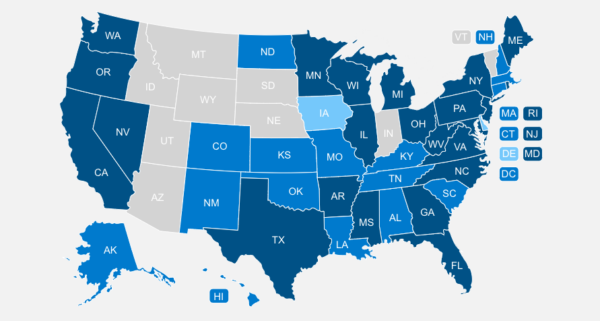

Cause Marketing and Commercial Co‑Venture by State: Essential Registration Requirements Guide
Cause-Marketing and Commercial Co-Venture in Indiana: Essential Registration Requirements Guide
At a Glance
Indiana does not require specific registration for commercial co-venturers, unlike many other states. However, businesses engaging in cause marketing campaigns may need to register as professional fundraiser consultants or professional solicitors depending on their fundraising activities. Written contracts with charitable organizations remain essential, and proper documentation and reporting requirements must be followed to ensure compliance with state regulations.
Are you looking to boost your business while supporting charitable causes in Indiana? Commercial co-ventures offer an exciting way to do just that! When your business partners with a charity and promises to contribute a portion of sales to that organization, you are entering into a commercial co-venture relationship that requires specific legal compliance in Indiana.
Before launching your cause marketing campaign, however, you need to understand the registration requirements that apply specifically to commercial co-ventures in Indiana. The state has established clear guidelines regarding initial registration, contract filing, financial reporting, and annual renewals to protect both consumers and charitable organizations. Managing these requirements can be complex, but expert guidance helps streamline the process and ensures accurate preparation of required documents.
Throughout this guide, you will discover the essential steps for properly registering as a commercial co-venturer in Indiana. You will also learn about the required forms, contract obligations, and reporting duties that you must fulfill when partnering with charities. Importantly, understanding these requirements helps you avoid potential penalties while maximizing the positive impact of your charitable promotion.
Definition of Commercial Co-Venture under Indiana Law
Understanding the legal classification of commercial co-ventures represents an essential first step for businesses planning to promote charitable giving through their sales activities in Indiana. Though Indiana law approaches this differently from some other states, certain principles still apply to businesses engaging in cause marketing campaigns.

IC 23-7-8-2: Legal Definition of Commercial Co-Venturer
Indiana does not explicitly define “commercial co-venturer” in its statutes unlike some other states. Nevertheless, the concept follows the general understanding used across other jurisdictions: a for-profit entity primarily engaged in trade or commerce (rather than fundraising) that conducts charitable sales promotions, in line with Indiana enforcement guidance.
A charitable sales promotion typically refers to any advertising or sales campaign that represents the purchase or use of goods or services will benefit a charitable organization or purpose.
Distinction Between CCVs and Professional Fundraisers
The key difference between commercial co-venturers and professional fundraisers lies in their primary business purpose. Professional fundraisers are individuals or entities retained under contract or otherwise compensated primarily for soliciting funds on behalf of charitable organizations. In contrast, commercial co-venturers are businesses whose main activity is not fundraising but rather selling products or services, with charitable giving as an additional component of their operations.
Furthermore, commercial co-venturers generally face less stringent regulation than professional fundraisers or solicitors. Professional fundraisers typically must:
- Register annually in states where they solicit
- Post surety bonds
- Make specific disclosures during solicitations
- Maintain detailed financial records
- Submit regular reports to both the charity and state authorities
Commercial co-venturers, on the other hand, often avoid many of these requirements in states where they are regulated, including Indiana.
Examples of Charitable Sales Promotions in Indiana
Though Indiana lacks explicit statutory examples, charitable sales promotions typically take several common forms in practice:
- A retail store pledging to donate a specific percentage of each purchase to a local charity, consistent with Indiana business entity guidelines
- A restaurant offering to contribute a set amount from each special menu item to a disaster relief fund
- A manufacturer donating a portion of proceeds from limited-edition products to a health research organization
Additionally, cause marketing partnerships may involve event sponsorship where a business underwrites a charitable event or performance that benefits a nonprofit organization.
Even without formal registration requirements in Indiana, businesses engaging in these activities should maintain proper documentation and transparency. Failure to accurately represent charitable contributions can potentially violate consumer protection laws regardless of whether specific commercial co-venturer statutes exist.
Initial Registration Requirements for Commercial Co-Venturers
Indiana takes a unique approach to regulating commercial co-ventures throughout the state. Unlike many states that impose specific registration requirements directly on commercial co-venturers, Indiana does not currently require state-level licensure specifically for commercial co-ventures. This distinctive regulatory framework means businesses engaging in cause marketing campaigns face a different set of requirements.
Required Forms: Professional Fundraiser or Solicitor Application
Commercial co-venturers operating in Indiana may need to register as professional fundraiser consultants or professional solicitors depending on their specific fundraising activities. The primary registration document is the Professional Fundraiser Consultant Application for Registration. This application requires comprehensive business information, including:
- Names and addresses of all officers and employees actively involved in fundraising
- Names and addresses of all persons owning 10% or more interest in the registrant
- Description of any other fundraising-related business conducted
- Names under which contributions will be solicited
- Disclosure of any prior registration denials, suspensions, or revocations
The application must be completed with meticulous attention to detail as incomplete submissions can delay approval and postpone campaign launch dates. Experienced specialists can help ensure applications are prepared accurately and submitted timely to avoid processing delays.
Surety Bond Requirement
Indiana does not require a surety bond for professional fundraiser consultants or professional solicitors, and there is no separate bond requirement specific to commercial co-venturers.
Filing with the Indiana Attorney General’s Office
All registration materials must be submitted to the Indiana Attorney General Consumer Protection Division (317-232-6330). The initial registration fee is $1,000. Once registered, organizations must renew annually for a fee of $50, with renewals due by July 1 each year.
Professional fundraisers must file:
- The completed registration application (with notarization)
- Appropriate registration fee
- Supporting documentation, which may include contracts with charitable organizations
The Attorney General’s office reviews these materials to ensure compliance with state regulations governing fundraising activities.
Timeline for Submission Before Solicitation Begins
According to industry best practices, businesses should allocate approximately 1–2 months prior to the start date of their promotion to complete the registration and contract filing requirements. This timeline allows sufficient processing time at the Attorney General’s office and provides a buffer for addressing any issues that might arise during the application review.
Professional solicitors must file a solicitation notice before beginning any campaign. Use the Professional Solicitor Notice Filing Form (PDF) when applicable. This notice typically includes:
- Projected campaign start and end dates
- Geographic areas where solicitation will occur
- Names of persons responsible for directing and supervising the campaign
- Expected fundraising methods and channels
Filing well in advance of your intended campaign launch date helps ensure you remain in full compliance with Indiana regulations throughout your charitable sales promotion.
Contract Filing and Disclosure Obligations
Every commercial co-venture relationship in Indiana must be formalized through proper documentation and transparent disclosure. These contractual obligations protect both the charity and consumers who participate in the campaign.
Written Contract Requirement Between Charity and Co-Venturer
The most fundamental requirement for commercial co-ventures is a written contract between the business and charitable organization. This documentation serves as the cornerstone of your partnership, regardless of the campaign’s size or duration. A proper written agreement helps prevent misunderstandings about donation amounts, timelines, and responsibilities.
Moreover, having this formal contract protects both parties if questions arise about the fulfillment of promised charitable contributions. Even in states with minimal regulatory requirements, legal experts consistently recommend written agreements for all charitable sales promotions. Expert guidance can help organize contract elements to meet state standards and ensure all required provisions are included.
Mandatory Contract Clauses Under Indiana Code
Your co-venture contract should contain several key provisions to comply with Indiana regulations. These elements commonly include:
- A clear description of services the commercial co-venturer will provide
- The percentage of gross contributions the charitable organization will receive
- Terms explaining how donation amounts will be determined
- A detailed financial agreement specifying fee structures
- Any contractual expenses charged to the charitable organization
The contract should also specify whether the percentage represents a fixed amount or a reasonable estimate. If using an estimate, the contract should clearly disclose the formula or assumptions supporting that estimate.

Submission of Contracts to the Attorney General
If you are acting as a professional solicitor or professional fundraiser consultant, file the contract with the Indiana Attorney General’s office before beginning any solicitation activities. This timeline allows regulatory oversight before the campaign launches.
Disclosure of Compensation and Donation Terms
Transparency remains paramount in commercial co-ventures. Your contract should clearly articulate the financial arrangement, including:
- The exact percentage or dollar amount of sales being donated
- All fees retained by the commercial co-venturer
- Any expenses deducted from gross receipts before calculating donations
If requested by the charitable organization, a professional solicitor must provide a final accounting of all expenditures at the conclusion of the campaign. This ensures complete transparency regarding how funds were allocated throughout the promotion.
For public-facing communications, disclosures should state how the charity benefits from each sale, the portion of the purchase price donated (actual or anticipated), the duration of the campaign, and any maximum or minimum contribution amount.
Financial Reporting and Recordkeeping Duties
Compliance with financial reporting and recordkeeping requirements stands as a critical responsibility for commercial co-venturers operating in Indiana. These obligations ensure transparency and accountability throughout your charitable sales promotion.
Solicitation Notice Filing Requirements
Professional solicitors must file a solicitation notice with the Consumer Protection Division before launching any campaign. Use the Professional Solicitor Notice Filing Form (PDF). This notice must include several key components:
- A copy of the contract between your business and the charitable organization
- Projected start and end dates for the solicitation
- Location and telephone number from where solicitation will be conducted
- Names and residence addresses of individuals responsible for directing the campaign
The division maintains confidentiality of residence addresses unless ordered by a court or needed to prosecute violations. Filing this notice serves as your official declaration of intent to conduct a charitable sales promotion.
Campaign Financial Report Submission
After completing your campaign, submit comprehensive financial reports no later than 90 days after the solicitation campaign ends. For campaigns extending beyond one year, submit reports within 90 days of each anniversary date.
Your financial report should detail:
- Total gross amount raised from donors
- Total amount paid to or retained by your business
- Total amount paid as expenses as part of the campaign
- Total amount retained by the charitable organization
Retention of Records for 3 Years Post-Campaign
Maintain thorough documentation of all financial transactions. Indiana law requires professional fundraisers to retain records for at least three years after the end of the registration period to which they relate.
Accounting for Gross Contributions and Net Proceeds
At least every 90 days, professional solicitors must provide each charitable organization with access to contributor information, including names, addresses, telephone numbers, and the dates and amounts of each contribution. Afterward, a professional solicitor cannot restrict a charitable organization’s use of this information.
Annual Renewal and Ongoing Compliance
Maintaining your status as a registered commercial co-venturer requires ongoing attention to renewal procedures and compliance obligations. Once registered, you must fulfill several requirements to keep your registration active.
Renewal Form and Fee Structure
Professional fundraiser consultants and solicitors must renew their registrations annually by July 1. The renewal process requires a payment of $50 as the annual renewal fee, markedly lower than the initial registration fee of $1,000. Per the Indiana Attorney General’s charitable fundraising page, timely submission prevents disruption of active campaigns and ensures continuous legal operation.
Since registration administration is handled through the Attorney General’s system, confirm your specific renewal requirements in your registration account to avoid lapses. A single partner can help coordinate multi-state renewal requirements, reducing administrative burden for businesses operating across jurisdictions.
Bond Continuation Certificate Submission
Indiana does not require a surety bond for professional fundraiser consultants or professional solicitors, so no bond continuation certificate is required by the state.
Changes in Contract Terms or Parties Involved
Anytime material changes occur in your business operations, ownership, or charitable partnerships, notify regulatory authorities promptly to maintain accurate records on file with the state.
Penalties for Non-Compliance or Late Filing
Non-compliance with registration, notice, contract filing, or reporting requirements can result in enforcement actions by the Attorney General’s Consumer Protection Division. Late renewals may result in suspension of fundraising authority until compliance is restored. Review the Indiana charitable fundraising rules for current guidance.
Conclusion
Navigating the commercial co-venture landscape in Indiana requires diligent attention to regulatory compliance throughout your charitable partnership journey. Despite Indiana’s unique approach compared to other states, your business still faces specific legal obligations when conducting cause marketing campaigns.
First and foremost, proper documentation stands as the cornerstone of any successful commercial co-venture. Your written contract should clearly outline donation percentages, financial arrangements, and reporting timelines before campaign launch, and filing this contract with the Attorney General’s office ensures regulatory oversight from the beginning.
Financial transparency remains equally important during and after your campaign. Regular reporting of both gross contributions and net proceeds provides accountability to charitable partners and state authorities alike. Additionally, maintaining detailed records for at least three years safeguards your business against potential audits or compliance questions.
The renewal process demands consistent attention as well. Annual submission of renewal forms and fees by established deadlines prevents operational disruptions. Failure to meet these requirements could result in penalties.
Commercial co-ventures offer a powerful way to combine business goals with charitable impact. Approaching registration requirements as an investment in campaign integrity helps maximize both your marketing effectiveness and your positive community contribution.

Frequently Asked Questions
