

Cause Marketing and Commercial Co‑Venture by State: Essential Registration Requirements Guide
Cause-Marketing and Commercial Co-Venture in Iowa: Essential Registration Requirements Guide
At a Glance
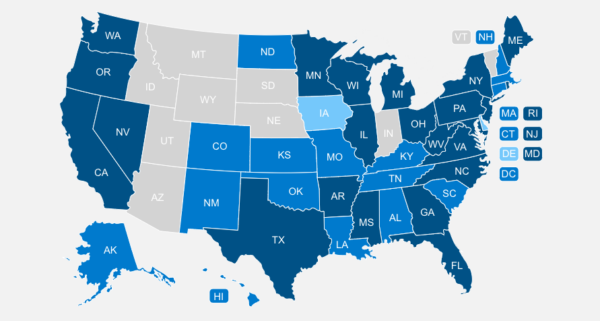
Iowa does not require commercial co-venturers to register with the state. However, both businesses and nonprofits must maintain proper documentation, including written contracts detailing all partnership aspects. Clear disclosure in advertising materials remains essential to comply with consumer protection laws and ensure transparency about charitable contributions.
When your business partners with a charity to promote products or services while donating a portion of sales, you’re entering a commercial co-venture. This marketing strategy can build customer loyalty while helping nonprofits raise funds. While Iowa has a streamlined regulatory approach, proper compliance protects your charitable campaign from penalties, damaged reputation, and legal complications.
Throughout this guide, you’ll discover the essentials for commercial co-venture compliance in Iowa. We’ll examine whether registration is required, contract and disclosure expectations, recordkeeping practices, and common questions.
Understanding Commercial Co-Ventures in Iowa
Commercial co-ventures represent a unique intersection of business and philanthropy, where for-profit companies partner with charitable organizations for mutual benefit. Understanding the legal framework in Iowa is essential before launching any charitable sales promotion.

What qualifies as a commercial co-venture
A commercial co-venture occurs when a for-profit business advertises that the purchase or use of its goods or services will benefit a charitable organization or cause. Essentially, these are arrangements where a company conducts, promotes, or sponsors a sale or event that will benefit a charitable organization to some extent.
- Advertising that a specific amount (like $1 per product sold) will be donated to a named charity
- Selling products where a percentage of proceeds benefits a charitable organization
- Sponsoring an event where a portion of ticket sales supports a nonprofit
Unlike traditional fundraising relationships, commercial co-venturers are primarily engaged in trade or commerce for profit, not in the business of fundraising. This distinction is important for regulatory purposes across many states.
How Iowa defines solicitation
Under Iowa law, “solicitation” refers to the request, directly or indirectly, for a contribution based on the representation that it will be used for a charitable purpose. See Iowa Code chapter 13C (charitable solicitations). A solicitation is considered to have taken place regardless of whether the person making the solicitation receives a contribution.
More specifically, Iowa views solicitation to include:
- Oral or written requests for contributions
- Announcements through media outlets concerning charitable campaigns
- Distribution or publication of materials seeking contributions
- Sales of goods or services where it’s stated that proceeds benefit a charitable organization
Iowa law also defines a “charitable organization” and specifically excludes certain entities such as political organizations, religious organizations, and accredited colleges or universities from that definition (see the statute above).
Why registration matters for nonprofits and businesses
Although Iowa does not require traditional registration for commercial co-venturers at the state level, compliance with other regulations remains vital. Iowa does not require charitable organizations to register for charitable solicitations; however, nonprofits engaged in these partnerships must comply with Iowa Code chapter 13C, including providing disclosures upon request. In particular, charitable organizations must provide financial disclosure information concerning contributions received and disbursements upon request; this information must be provided within five days of the request, or the organization must file it with the attorney general within seven days of failing to provide the requested information, per Iowa Code chapter 13C.
Professional fundraisers must register with the attorney general and provide a listing of their clients before soliciting contributions in Iowa. See Iowa Attorney General: Professional fundraisers and charity information. Although this requirement doesn’t directly apply to commercial co-venturers, it demonstrates Iowa’s interest in regulating fundraising activities.
Consequently, businesses and nonprofits should formalize their arrangement with a written contract detailing all aspects of the partnership. This documentation protects both parties and ensures transparency in the charitable sales promotion.
Who Must Register in Iowa
Registration requirements for charitable activities vary greatly across states, yet Iowa takes a notably different approach when it comes to commercial co-ventures (CCVs). Understanding who must register in Iowa will help both nonprofits and businesses avoid potential compliance issues.
Charitable organizations involved in CCVs
Iowa does not require charitable organizations participating in commercial co-ventures to register specifically for these activities at the state level. Nevertheless, charitable organizations still have obligations in Iowa. According to state law, organizations must provide financial disclosure information about contributions received and disbursements when requested (see Iowa Code chapter 13C). If such information is requested, the organization must provide it within five days or file it with the attorney general within seven days of failing to provide the requested information.
Nonprofits should also understand that while registration for commercial co-ventures isn’t mandated, other regulatory considerations might apply depending on their specific activities and organizational structure.
For-profit businesses acting as co-venturers
For-profit businesses participating in commercial co-ventures enjoy a streamlined approach in Iowa. The state does not impose a traditional registration requirement for commercial co-venturers. Given that Iowa lacks specific registration procedures, businesses should primarily focus on ensuring proper documentation of their charitable partnerships. Formal agreements between co-venturers and nonprofits remain essential for transparency and legal protection, even without state-mandated registration.
Professional fundraisers face different requirements—they must register with the Office of the Attorney General before soliciting funds on behalf of charities. See Iowa Attorney General: Professional fundraisers and charity information. This distinction is important, as commercial co-venturers are not classified as professional fundraisers under Iowa law.
Exemptions from registration
Since Iowa doesn’t require registration for commercial co-venturers, formal exemptions aren’t necessary. Yet, it’s worth noting which organizations are generally exempt from or outside the scope of certain charitable solicitation requirements in Iowa law:
- Religious organizations
- Political organizations
- Accredited educational institutions
- Charitable organizations that don’t utilize professional fundraisers
Beyond state-level considerations, all parties should remain mindful that failure to follow applicable regulations can result in consequences in other jurisdictions. Even with Iowa’s more relaxed approach, documenting the commercial co-venture arrangement thoroughly protects both the business and nonprofit.
Initial Registration Requirements
Unlike many states with complex filing procedures, Iowa takes a more streamlined approach to commercial co-venture registration. Nevertheless, understanding the specific expectations remains essential for businesses planning charitable promotions in the state.
Required forms and where to file
Iowa does not require commercial co-venturers to complete specific registration forms with state authorities. While commercial co-venturers don’t need to register, it’s important to note that professional fundraisers—a different category—must register with the Iowa Attorney General’s Office pursuant to Iowa Code chapter 13C. Professional fundraisers are persons who, for compensation, solicit contributions in Iowa for charitable organizations. See Iowa Attorney General: Professional fundraisers and charity information.
Instead of formal registration, commercial co-venturers should focus on:
- Maintaining detailed documentation of the partnership
- Creating comprehensive contracts with partner charities
- Keeping accurate records of all promotional activities
- Ensuring all advertising materials clearly disclose the charitable component

Filing fees and payment methods
Because Iowa doesn’t require registration for commercial co-ventures, there are no specific state filing fees associated with these partnerships. For reference, professional fundraisers in Iowa must pay a $10.00 fee when registering with the Attorney General’s Office, and online payments may include a $1.00 convenience fee via the state portal. See the Iowa Attorney General professional fundraiser registration portal.
Timeline for registration before promotion begins
Because Iowa doesn’t mandate registration for commercial co-ventures, there’s no official timeline requirement before launching a promotional campaign. Even without formal deadlines, businesses and nonprofits should establish internal timelines that allow for:
- Drafting comprehensive agreements between parties
- Creating clear promotional materials with appropriate disclosures
- Setting up proper accounting systems to track donations
- Consulting legal counsel to ensure compliance with general business regulations
Even with flexible requirements, businesses should maintain thorough documentation of all charitable partnerships and honor all promises made to consumers about charitable contributions.
Contract Filing and Disclosure Obligations
The foundation of any successful commercial co-venture lies in proper documentation and disclosure. Even without formal registration requirements in Iowa, businesses and charities should maintain proper written agreements and provide transparent information to consumers.
What must be included in the contract
Written contracts form the backbone of commercial co-venture arrangements, providing structure and accountability. Every contract between a business and charitable organization should:
- Detail the specific terms of the financial arrangement
- Identify both parties with complete contact information
- Specify the business form (corporation, partnership, etc.)
- Outline the geographical area of the promotion
- Establish clear beginning and ending dates of the campaign
- Describe how the charity’s name will be used in marketing
- Include provisions for final accounting by the co-venturer
These elements ensure both parties understand their responsibilities and protect consumers from misleading promotions. A well-crafted contract also provides documentation should questions arise about the arrangement. For businesses operating across multiple states, consider consulting professionals to ensure contract terms meet varying jurisdictional requirements.
When and how to file the contract
Iowa does not mandate contract filing for commercial co-ventures. Alongside these reduced requirements, businesses should nonetheless adhere to these practices:
- Execute the contract before any promotional activities begin
- Maintain copies of all agreements throughout the promotion period
- Preserve contract documentation for at least three years after the promotion ends
- Make contracts available upon request from regulatory authorities
During the campaign, accurate recordkeeping becomes vital, as commercial co-venturers should maintain detailed accounting of all activities related to the promotion.
Disclosure requirements in advertising materials
Proper disclosure in advertising materials represents a critical element of commercial co-ventures. Best practices include stating the per-unit donation amount (e.g., “$1 from every purchase”) or the percentage of proceeds benefiting the charity. If exact amounts cannot be determined beforehand, provide a reasonable estimate based on known facts.
Advertisements should also include:
- The specific charity receiving funds
- The campaign’s duration (e.g., “during October”)
- Any maximum donation cap or guaranteed minimum contribution
Both federal and state consumer protection laws prohibit deceptive trade practices. Disclosures must be accurate and should not mislead consumers about the charitable impact of their purchases.
Financial Reporting and Annual Renewal
Maintaining proper financial records stands as a critical component for businesses engaged in commercial co-ventures, even in states with minimal registration requirements like Iowa.
Recordkeeping and accounting expectations
Commercial co-venturers should maintain detailed records of all promotion-related financial activities and preserve these records for at least three years after the completion of any charitable sales promotion. Your recordkeeping system should track:
- Exact sales figures related to the promotional campaign
- Precise calculation of charitable contributions based on agreed terms
- Complete documentation of all donations transferred to the nonprofit
- Copies of all promotional materials using the charity’s name
Nonprofits may need detailed sales reports from their commercial partners to complete federal filings accurately.
Annual renewal process and deadlines
While Iowa does not mandate specific renewal procedures for commercial co-ventures, businesses should remain aware of their general corporate filing obligations. For-profit entities in Iowa must file biennial reports—corporations in even-numbered years and limited liability companies in odd-numbered years—between January 1 and April 1. See the State of Iowa business biennial report filing.
Companies operating charitable promotions across multiple states should note that renewal requirements vary significantly by jurisdiction.
Penalties for non-compliance
Failure to maintain proper records or renew necessary business filings can trigger consequences. In Iowa, businesses that neglect their biennial reporting obligations may face administrative dissolution or revocation by the Secretary of State. See the State of Iowa business biennial report filing.
Frequently Asked Questions

Conclusion
Commercial co-ventures provide significant benefits when executed properly, especially within Iowa’s streamlined regulatory framework. Unlike many other states that impose rigorous registration requirements, Iowa takes a less burdensome approach toward businesses engaging in charitable promotions. Nevertheless, compliance remains essential for successful partnerships.
Throughout this guide, you’ve learned that Iowa doesn’t mandate specific registration forms or filing procedures for commercial co-ventures. Still, responsible practices matter regardless of regulatory intensity. Thorough documentation serves as your protection in any commercial co-venture arrangement. Written contracts between businesses and nonprofits should detail all aspects of the partnership, including financial terms, promotional timeframes, and geographical scope. Additionally, clear disclosures in advertising materials help ensure consumers understand exactly how their purchases benefit charitable causes.
Proper recordkeeping stands as another crucial element for successful co-ventures. Maintain detailed financial records tracking sales figures, contribution calculations, and donation transfers for at least three years after campaign completion. These practices safeguard both your business and nonprofit partners from potential disputes or regulatory inquiries.
For businesses planning multi-state CCV campaigns, managing complex compliance requirements across different jurisdictions can become challenging. Labyrinth supports businesses and nonprofits with state-specific CCV filings, compliant disclosure language, and contract guidance. We help track varying requirements, notices, and reporting obligations across multiple jurisdictions, and assist with organizing contracts, filing materials, and post-campaign records.
