
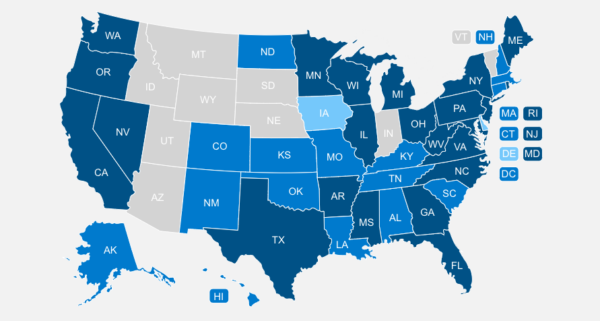

Cause Marketing and Commercial Co‑Venture by State: Essential Registration Requirements Guide
Cause-Marketing and Commercial Co-Venture in Louisiana: Essential Registration Requirements Guide
At a Glance
Louisiana does not require formal commercial co-venturer registration, but businesses must obtain written consent from charitable partners before launching campaigns and clearly disclose actual or estimated donation amounts in all advertisements. Companies must maintain financial records for three years and provide accounting to the charity or the state department within ten days of request. Failing to follow these transparency and recordkeeping requirements may constitute an unfair trade practice under state consumer protection law.
Launching a commercial co-venture in Louisiana connects your business with charitable causes customers value. However, these partnerships come with specific legal requirements you must follow. The state emphasizes consent, disclosure, and recordkeeping obligations that protect both nonprofits and consumers.
Whether you’re planning your first cause-marketing campaign or looking to ensure your existing partnerships comply with Louisiana law, understanding these regulations is essential. Failing to meet these requirements could result in significant penalties and damage your brand’s reputation. Managing CCV compliance across multiple states can be complex, but Labyrinth streamlines the process by helping prepare required documentation, reviewing contract elements, and ensuring disclosures meet state standards.
Throughout this guide, you’ll discover exactly what Louisiana requires from commercial co-venturers, from written consent and advertising disclosures to ongoing recordkeeping obligations. We’ll cover the practices that keep your charitable promotions both impactful and legally sound.
Understanding Commercial Co-Ventures in Louisiana
Commercial partnerships between businesses and nonprofits have become increasingly popular, creating mutually beneficial relationships that support charitable causes. Understanding how Louisiana defines and regulates these arrangements is essential before launching your campaign.

Definition under Louisiana law
In Louisiana, a commercial co-venture occurs when a business conducts an advertising or sales campaign stating that purchasing goods or services will benefit a charitable organization or purpose. According to state law, this arrangement is formally known as a “charitable sales promotion” and requires specific legal compliance.
Louisiana’s commercial co-venture laws apply to for-profit businesses that regularly engage in trade or commerce and advertise that a portion of their sales will support a nonprofit organization. For instance, when a sock company promotes that it will donate one pair of socks to charity for each pair purchased, this constitutes a commercial co-venture relationship.
Notably, Louisiana law requires commercial co-venturers to obtain written consent from the charitable organization before beginning any promotional campaign. Additionally, you must clearly disclose the actual or estimated dollar amount or percentage of each purchase that will benefit the charity in all advertisements.
How CCVs differ from other fundraising models
- Direct consumer participation: Unlike direct donations, CCVs connect purchasing decisions directly to charitable giving, allowing consumers to support causes through everyday purchases.
- Mutual benefit structure: Both the business and nonprofit receive advantages—the company gains marketing appeal and potentially increased sales, whereas the charity receives financial support and broader awareness.
- Legal relationship: A formal contractual relationship exists between the business and nonprofit, unlike sponsorships or general donations that may not require formal agreements.
- Regulatory framework: CCVs face specific state regulations that don’t apply to other corporate giving methods. Expert guidance on state CCV requirements helps ensure proper compliance with these varied regulations.
Fundamentally, in a commercial co-venture, the business (not the purchaser) is considered the donor for tax purposes. Your company can receive tax benefits for donations made to qualified 501(c)(3) organizations through these arrangements.
Why state regulation matters
State regulation of commercial co-ventures protects both consumers and charitable organizations. These rules exist to ensure transparency and prevent deceptive practices in charitable promotions.
Louisiana requires commercial co-venturers to maintain accounting records for three years following the completion of each promotional campaign. Furthermore, you must provide this financial accounting to the charitable organization within ten days of their request, and to the state department within ten days if requested.
The legal consequences of non-compliance can be substantial. Many states impose fines and penalties for failing to follow commercial co-venture laws, and some jurisdictions provide for criminal penalties.
Though Louisiana does not currently require formal commercial co-venturer registration at the state level, the state mandates compliance with other key regulations governing these partnerships. Understanding these requirements ensures your campaign remains legally compliant throughout its duration. For multi-state campaigns, nonprofits should also consider whether CCV activity may trigger charitable solicitation registration obligations in participating states.
Initial Registration Requirements
Navigating the registration landscape for commercial co-ventures varies significantly from state to state. Understanding Louisiana’s specific requirements will help you launch compliant charitable campaigns without unnecessary paperwork.
Who must register as a commercial co-venturer
In contrast to several other states, Louisiana does not mandate formal registration for commercial co-venturers at the state level. This means businesses partnering with charitable organizations for promotional campaigns do not need to submit registration applications or pay licensing fees to operate as commercial co-venturers in Louisiana.
Generally, commercial co-venturers in Louisiana must still follow specific regulations despite not needing formal registration. These regulations primarily focus on obtaining proper consent, maintaining transparency in promotional materials, and keeping accurate records of campaign activities.
According to Louisiana law, any business conducting a charitable sales promotion must comply with these regulations regardless of size or industry. The law applies specifically to for-profit entities that advertise that purchases or use of their goods or services will benefit a charitable organization or purpose.
Required forms and where to file
Since Louisiana does not require formal registration, there are no standard forms to file with any state agency before launching a commercial co-venturer campaign. This stands in contrast to states like Massachusetts, which requires a registration statement (Form 10) and a $200 fee, or South Carolina, which mandates a Registration Application for Commercial Co-Venturers with a $50 fee.
Although no registration forms exist, Louisiana law specifically requires:
- Written consent documentation – Before beginning any charitable sales promotion, you must obtain written consent from the charitable organization whose name will be used during the campaign.
- Record maintenance – Commercial co-venturers must keep a final accounting for each charitable sales promotion for three years following completion.
- Financial reporting – You must provide this accounting to the charitable organization within ten days of their request, and to the department within ten days if requested.
These documents are not filed with any state agency initially but must be maintained and provided upon request.
Exemptions and special cases
Louisiana law makes no distinctions or exemptions among types of commercial co-venturers—all businesses conducting charitable sales promotions must follow the same requirements regarding consent, disclosure, and recordkeeping.
Specifically, if the actual dollar amount or percentage per unit that will benefit the charity has been determined, you must disclose this amount in each advertisement for the promotion. If the exact amount cannot be reasonably determined beforehand, an estimated amount or percentage must be disclosed, based on all relevant facts known to both the commercial co-venturer and charitable organization.
For businesses operating multi-state campaigns, it’s important to recognize that requirements differ substantially across jurisdictions. For instance:
- Some states require commercial co-venturer registration or licensing (for example, Alabama, Massachusetts, and South Carolina); requirements vary by jurisdiction.
- Many states require filing of contracts between the business and charity.
- Some states, like Massachusetts and Alabama, require bonds prior to any charitable sales promotion.
For nonprofit partners, CCV activity may also affect charitable solicitation registration obligations in certain states where such campaigns are considered solicitation activities.
Despite Louisiana’s relatively streamlined approach, the department may adopt rules requiring additional disclosures in advertisements to protect the public from fraudulent or deceptive advertising practices. Staying current with potential regulatory changes is essential for maintaining compliance.
Contract Filing and Disclosure Obligations
Written agreements form the foundation of any legitimate commercial co-venture relationship in Louisiana. Understanding exactly when contracts are required, what they should contain, and how to maintain them ensures your charitable promotion remains compliant with state regulations.
When a written agreement is required
Louisiana law mandates that commercial co-venturers obtain written consent from charitable organizations before launching any promotional campaign. This requirement applies to all businesses conducting charitable sales promotions within state borders, regardless of campaign size or duration.
Unlike standard business agreements, this written consent isn’t optional—it’s a legal prerequisite for any commercial co-venture activity. The written agreement should be finalized and signed by both parties prior to the commencement of any charitable sales promotion activities in Louisiana.
Essentially, no commercial co-venture may begin operations without first securing this documented consent from the participating nonprofit organization. This requirement helps protect charitable organizations from unauthorized use of their names and ensures all parties clearly understand their obligations.

What should be included in the contract
- Names and addresses of both parties
- Signatures of authorized representatives
- Beginning and expiration dates for the promotion
- Clear description of services to be performed
- Detailed financial arrangement, including:
- Percentage or dollar amount of sales benefiting the charity
- Any fixed fees or expenses charged to the charitable organization
Moreover, if the actual dollar amount or percentage per unit that will benefit the charitable organization has been determined, this must be disclosed in each advertisement for the promotion. For cases where the exact amount cannot be reasonably determined before beginning the promotion, an estimated amount must be provided based on all relevant facts known to both parties.
First and foremost, the contract serves as a legal protection for both entities while simultaneously creating transparency for consumers and regulatory authorities.
Filing timelines and submission process
Unlike states such as Alabama, Massachusetts, Maine, or South Carolina, Louisiana does not currently require commercial co-venturers to file their contracts with any state agency. Nonetheless, both parties should maintain original signed copies of their agreement throughout the partnership.
With this in mind, commercial co-venturers must keep a final accounting for each charitable sales promotion for three years following the completion of the promotion. This accounting must be provided to the charitable organization within ten days after they request it, and to the state department within ten days if requested.
Thorough recordkeeping is crucial even without mandatory state filings. Your organization should maintain comprehensive documentation that tracks:
- All promotional materials used during the campaign
- Sales figures related to the charitable promotion
- Calculation methods for determining charitable contributions
- Receipts or other proof of payments made to the charity
The absence of formal filing requirements doesn’t diminish the importance of proper documentation throughout the commercial co-venture relationship. In fact, it places greater responsibility on the business to maintain accurate, accessible records that can be produced upon request.
Financial Reporting and Recordkeeping
Every successful commercial co-venture requires meticulous financial recordkeeping to stay compliant with Louisiana law. Understanding these requirements helps you maintain proper documentation and avoid potential penalties.
Is financial reporting required in Louisiana?
Unlike several states that mandate regular financial reporting filings, Louisiana takes a request-based approach. The state does not require commercial co-venturers to submit regular financial reports as a matter of routine.
Under this system, commercial co-venturers must provide two types of financial accounting:
- Reporting to charitable organizations: You must provide a final accounting for each charitable sales promotion to the nonprofit partner within ten days after they request it.
- Reporting to the state: You must provide a copy of the final accounting to the Louisiana department within ten days of their request.
This approach differs from states like Alabama and South Carolina, which require specific post-promotion filings within defined timelines.
Best practices for tracking sales and donations
- Implement dedicated tracking systems specifically for charitable sales promotions
- Maintain detailed records of units sold during the promotion period
- Document all donation calculations and payments made
- Retain copies of all promotional materials with donation claims
- Establish clear internal processes for segregating co-venture transactions
For tax purposes, remember that your IRS Form 990 requires disclosure about joint ventures with taxable entities. Your organization should follow written procedures for evaluating participation in such arrangements.
How long to retain records
Louisiana law specifically mandates that commercial co-venturers keep a final accounting for each charitable sales promotion for three years following the completion of the promotion. This three-year retention period aligns with many other states’ requirements.
At a minimum, these records should include:
- Sales figures related to the promotion
- Amounts donated to the charity
- Calculation methods used
- Copies of all promotional materials
- Written agreements with charitable organizations
Maintaining thorough records protects both your business and the charitable organization in case of regulatory inquiries or audits.
Compliance Risks and Legal Considerations
Failing to follow commercial co-venture regulations can create serious repercussions for both businesses and their nonprofit partners. Understanding these risks helps ensure your charitable promotions remain legally sound.
Penalties for non-compliance
Louisiana enforces charitable sales promotion requirements under state law. Failure to provide required information or to avoid deceptive advertising can constitute an unfair or deceptive trade practice under the Louisiana Unfair Trade Practices and Consumer Protection Law, which the Attorney General may enforce. Specific remedies and civil penalties are determined by statute and the courts, and the law does not set per-day or flat-fee penalties within these charitable sales promotion provisions.
Conflicts of interest and private benefit concerns
Commercial co-ventures must carefully navigate potential conflicts of interest. When businesses have close relationships with charitable organizations, private benefit concerns can arise. The IRS prohibits private inurement, where charitable resources improperly benefit individuals with control over the organization.
Even unintentional arrangements providing undue benefits to insiders can jeopardize a nonprofit’s tax-exempt status. Therefore, any transaction between connected parties requires careful documentation and fair market value assessment.
Tips for avoiding legal pitfalls
- Document everything in writing, including consent from the charity before promotion begins
- Disclose exact contribution amounts or reasonable estimates in all advertisements
- Maintain comprehensive financial records for at least three years
- Provide prompt financial accounting when requested (within ten days)
- Evaluate and document any potential conflicts of interest
- Ensure charitable contributions match advertised amounts
For complex multi-state campaigns, expert guidance helps ensure accurate filings, compliant disclosure language, and proper coordination of varying state requirements.
Frequently Asked Questions

Conclusion
Commercial co-ventures offer a powerful way to connect your business with charitable causes while potentially boosting sales. Although Louisiana maintains a relatively streamlined approach compared to states like Massachusetts or South Carolina, you still must adhere to specific legal requirements to ensure compliance.
First and foremost, while formal registration isn’t required in Louisiana, you must obtain written consent from the charitable organization before launching any promotion. Additionally, transparency remains paramount—clearly disclosing the actual or estimated donation amount in all advertisements protects both consumers and the partnering nonprofit.
Recordkeeping deserves your attention, as Louisiana law mandates maintaining financial records for three years following campaign completion. Establishing robust tracking systems from the beginning will save time later, especially when responding to information requests from either the charitable organization or state department.
The consequences of neglecting these requirements can be significant. Violations may be pursued under Louisiana’s consumer protection laws and can result in injunctive relief and civil penalties. Beyond monetary concerns, non-compliant campaigns damage your brand’s reputation and potentially harm the charitable organization’s standing.
By following the guidelines outlined throughout this article, you can launch successful commercial co-ventures that benefit everyone involved—your business, the charitable organization, and Louisiana consumers. For more than 35 years, Labyrinth has been the trusted partner for nonprofits nationwide, helping organizations register, renew, and maintain compliance in all jurisdictions.
