
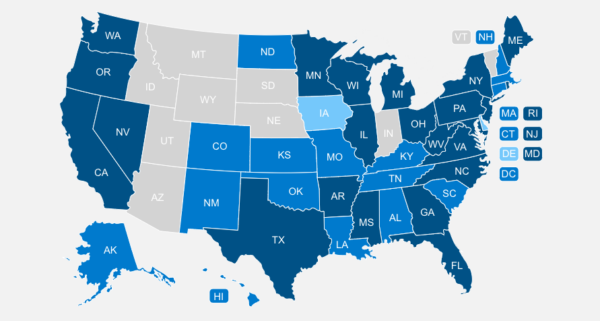

Cause Marketing and Commercial Co‑Venture by State: Essential Registration Requirements Guide
Cause-Marketing and Commercial Co-Venture in Nevada: Essential Registration Requirements Guide
At a Glance
Nevada does not require direct registration for commercial co-venturers at the state level, unlike many other states. However, your charitable partner must be properly registered with the Nevada Secretary of State (775-684-5708, nvsos.gov) before any solicitation activities begin. You must also maintain written agreements and comply with Nevada’s charitable solicitation regulations to avoid deceptive practices.
Definition of Commercial Co-Venture Under Nevada Law
Understanding Nevada’s legal definition of a commercial co-venture is crucial before launching any charitable sales promotion in the state. Nevada law contains specific provisions governing these business-charity partnerships, though the regulatory framework differs from many other states.

NRS 598.1305 Definition of Commercial Co-Venturer
Under Nevada law, commercial co-ventures fall within the broader category of charitable solicitations governed by NRS 598.1305. Although Nevada doesn’t explicitly define “commercial co-venturer” in separate statutory language, these arrangements are generally understood to include any advertising or sales activities where a business represents that purchases or use of goods or services will benefit a charitable organization or cause.
The legal framework in Nevada focuses primarily on preventing deceptive practices in charitable promotions. According to NRS 598.1305, a person conducting a solicitation for or on behalf of a charitable organization must not make claims that could deceive or mislead a reasonable person. Additionally, omitting material facts that would have the capacity to deceive is equally prohibited under this statute.
For businesses operating in Nevada, this means your promotional materials must be transparent about how purchases will benefit the charitable organization. Any percentage-of-sales claims, donation amounts, or benefit descriptions must be accurate and presented without misleading language.
Distinction Between CCVs and Charitable Solicitations
Commercial co-ventures differ from traditional charitable solicitations in several important ways. First, a commercial co-venturer is typically a for-profit business primarily engaged in commerce that conducts a charitable sales promotion as a secondary activity. In contrast, professional fundraisers or charitable organizations themselves primarily focus on fundraising activities.
Furthermore, Nevada law defines a “charitable organization” as any entity that solicits contributions and either has 501(c)(3) tax-exempt status or holds itself out as established for a charitable purpose. This distinction matters because commercial co-venturers partner with these organizations rather than being classified as charitable entities themselves.
Another key difference lies in the regulatory approach. While many states have specific registration requirements for commercial co-venturers, Nevada has taken a different approach. The state does not currently impose traditional registration requirements specifically for commercial co-venturers, instead focusing on other regulatory aspects of the business-charity relationship.
Nevertheless, Nevada still mandates certain practices for commercial co-ventures, particularly regarding transparency and accountability. The state’s focus on preventing deceptive practices means businesses must maintain accurate records and fulfill promised charitable contributions.
It’s worth noting that commercial co-ventures are fundamentally marketing arrangements that serve dual purposes: they support charitable causes while generating commercial goodwill for the business. This mutually beneficial relationship distinguishes them from pure charitable solicitations, which exist solely to raise funds for nonprofit causes.
Understanding these distinctions helps clarify your legal obligations when launching a promotion that promises to benefit a charity through consumer purchases in Nevada.
Initial Registration Requirements for Commercial Co-Venturers
Unlike many other states that have strict registration protocols for commercial co-ventures, Nevada takes a more streamlined approach to regulating these business-charity partnerships. Understanding these requirements helps you properly structure your charitable promotion campaign from the outset.
Nevada Secretary of State Registration Process
When planning a commercial co-venture in Nevada, you’ll discover that direct registration for commercial co-venturers is not mandated at the state level. This differs significantly from procedures in other states where specific registration filings are required for such promotional activities.
However, this absence of direct registration doesn’t mean you can proceed without regulatory considerations. Commercial co-venturers in Nevada must still adhere to other regulations governing charitable promotions. The state focuses primarily on ensuring transparency in charitable solicitations rather than creating a separate registration system for business-charity partnerships.
Notably, even though you as the commercial co-venturer don’t register directly, the charitable organization you’re partnering with must be properly registered. Any charitable organization soliciting contributions in Nevada must register with the Nevada Secretary of State charitable organization registration before beginning solicitation activities. This registration requirement affects your partnership indirectly, as you’ll need to verify your nonprofit partner’s compliance.
For organizations operating CCV campaigns across multiple states, managing these varied requirements can be complex. Labyrinth helps streamline this process by preparing required filings and tracking state-specific obligations across different jurisdictions.
Required Information for Initial Filing
Since Nevada doesn’t require specific commercial co-venturer registration, the information requirements focus instead on documentation between parties and disclosure requirements. Many states require a written contract for commercial co-venture arrangements; while Nevada statutes do not prescribe CCV-specific contract terms, maintaining a written agreement that clearly outlines the promotion is strongly recommended.
For the charitable organizations you partner with, their registration with the Secretary of State is completed via the Nevada Secretary of State charitable organization registration. That filing generally provides basic organizational information requested by Nevada’s forms (for example, legal name, contact information, and officers/directors) and carries no state filing fee per current Secretary of State program materials.
As a commercial co-venturer, you should maintain copies of this documentation from your charitable partner to demonstrate you’re working with a properly registered organization. When CCV activities span multiple states, nonprofits may also need to consider whether their charitable solicitation registration requirements are affected in other jurisdictions.
Timeline for Registration Before Promotion Begins
Despite the lack of direct registration requirements for commercial co-venturers, timing considerations remain crucial for proper campaign planning. First, ensure your charitable partner has completed their registration with the Nevada Secretary of State charitable organization registration before any solicitation activities begin.
Furthermore, the written contract between your business and the charitable organization should be finalized prior to launching any promotional activities. This timeline allows both parties to clearly establish terms, responsibilities, and accountability measures before consumers begin participating in the charitable promotion.
In other states with more stringent requirements, commercial co-venturers often must submit registration applications, contract copies, and solicitation notices to state authorities prior to any commercial co-venture activity. Even though Nevada doesn’t impose these specific pre-campaign filing requirements, following similar timelines represents best practice for establishing proper documentation and ensuring compliance with broader charitable solicitation regulations.
Beyond initial documentation, remember that proper record-keeping throughout the campaign remains essential, as you’ll need to accurately account for all contributions generated through the promotion.
Contract Filing and Disclosure Obligations
Proper documentation forms the cornerstone of any successful commercial co-venture in Nevada. After ensuring you understand the definition and registration requirements, your next critical step involves addressing the contractual aspects of your charity promotion partnership.
Written Agreement Requirement with Charitable Organization
The foundation of any commercial co-venture is a properly executed written contract between your business and the partnering charitable organization. While Nevada law does not impose a CCV-specific contract requirement, a formal written contract is widely considered a best practice and is mandated in many other states. The written agreement serves as the official documentation of your charitable sales promotion and outlines the responsibilities of both parties involved.
The written agreement should be finalized and signed by both parties before launching any promotional activities. Typically, this contract should clearly outline the nature of the charitable sales promotion, the duration of the campaign, and the specific financial arrangements between your business and the charitable organization.
We can help ensure that contract elements meet state standards and that all required disclosures are properly incorporated, particularly for multi-state campaigns where requirements may vary significantly.
Recommended Contract Terms for Nevada Promotions
- A clear description of the goods or services being promoted
- The exact amount or percentage of purchase price to be donated
- The manner in which the charitable organization’s name and logo may be used
- The geographic scope and duration of the promotion
- Provisions for accounting and transfer of funds
- Termination clauses and cancelation rights
Moreover, your contract should contain language that protects consumers from deceptive practices. In some states, contracts must include “a concise, accurate statement of the charitable organization’s right to cancel” and “a concise, accurate statement of the period during which the contract may be canceled.”
For Nevada-based promotions, contracts should additionally address record-keeping responsibilities, as many jurisdictions require commercial co-venturers to maintain detailed records of all activities related to the charitable sales promotion.

Filing the Contract with the Secretary of State
Unlike several other states, Nevada does not currently impose specific contract filing requirements for commercial co-venturers.
Nevertheless, it remains prudent to maintain comprehensive documentation of your commercial co-venture relationship. Typically, state laws may require nonprofits to file a copy of the contract governing the arrangement before any sales take place, suggesting that even in states without explicit filing requirements, maintaining proper documentation is essential.
Ultimately, regardless of Nevada’s specific filing requirements, maintaining complete and accurate records of all contracts and agreements is a crucial practice for any commercial co-venturer. These documents may be requested during an audit or investigation, and having them readily available demonstrates your commitment to regulatory compliance and ethical business practices.
Financial Reporting and Recordkeeping Duties
Beyond contract filings, maintaining proper financial records stands as a crucial obligation for any commercial co-venture in Nevada. Careful documentation throughout your charitable promotion provides transparency for consumers, protection for charitable organizations, and compliance with state regulations.
Accounting for Units Sold and Revenue Generated
Commercial co-venturers must implement systematic accounting procedures to track all aspects of their charitable promotions. Essentially, your business needs to maintain detailed records of each unit sold during the promotion and precisely calculate the resulting charitable contributions. This accounting typically includes:
- Accurate counts of total units sold during the promotional period
- Calculation of gross sales generated from the campaign
- Documentation of the percentage or amount from each sale allocated to charity
- Verification of all funds transferred to the charitable organization
Several states mandate that commercial co-venturers submit detailed financial reports after campaigns conclude. Consequently, maintaining these records from the start simplifies compliance with potential reporting requirements.
Labyrinth can help organize and prepare these required documents, ensuring accuracy and completeness while reducing the administrative burden on your business.
Retention of Records for State Review
Nevada follows specific guidelines for records retention and disposition schedules that identify how long official state records must be kept before final disposition, as outlined in the Nevada State Library and Archives general records retention schedule. While commercial co-venturers aren’t explicitly mentioned in these schedules, adhering to standard business record retention periods remains prudent.
Upon request, commercial co-venturers may need to provide accounting information to state authorities. This illustrates how state officials may request financial documentation to verify compliance.
Providing Reports to Charitable Partners
Your obligation extends beyond government reporting to include financial transparency with your charitable partners. After completing your charitable sales promotion, you should prepare comprehensive financial reports for your nonprofit partners.
In many states, a joint financial report, signed by the commercial co-venturer and the charitable organization receiving the donations, may also be required after completing the charitable sales promotion. Even without explicit Nevada requirements, providing detailed accounting to your charitable partner represents an industry best practice.
These reports typically outline total sales during the promotion, the amount generated for the charity, and any expenses deducted. Ultimately, this financial transparency strengthens your business-charity relationship while demonstrating commitment to ethical promotional practices.
Annual Renewal and Compliance Maintenance
Maintaining compliance for your commercial co-venture extends well beyond the initial setup phase in Nevada. Ongoing attention to your charity partner’s status and to truthful advertising helps avoid potential legal complications that might otherwise derail your charitable promotion efforts.
Renewal Timeline and Required Forms
Nevada does not require a separate state registration or license for commercial co-venturers, so there is no CCV-specific certificate to renew with the Nevada Secretary of State. However, charitable organizations that solicit in Nevada must keep their own charitable solicitation registration current with the Nevada Secretary of State charitable organization registration in order to continue soliciting contributions in the state.
Penalties for Non-Compliance or Late Filing
Because Nevada does not license commercial co-venturers at the state level, CCV-specific late renewal penalties or reinstatement procedures do not apply. That said, deceptive or misleading charitable sales claims remain prohibited under Nevada law, and failing to honor advertised donation commitments can trigger enforcement under consumer protection statutes.
Changes in Contract or Partner Organization
Nevada law does not impose a CCV-specific obligation to report contract changes or partner changes to the Secretary of State. If the charitable organization’s registration information changes, the charity is responsible for updating its filings with the Secretary of State to remain compliant.
Frequently Asked Questions

Conclusion
Commercial co-ventures present a unique opportunity for businesses to support charitable causes while enhancing their brand reputation in Nevada. Throughout this guide, we’ve outlined the essential regulatory framework governing these business-charity partnerships in the state.
Nevada takes a somewhat different approach compared to many other states. While direct commercial co-venturer registration isn’t mandated at the state level, you must still comply with regulations governing charitable promotions. Most importantly, you need to establish written agreements with your charitable partners before launching any promotion.
Additionally, your charitable partner must properly register with the Nevada Secretary of State’s office prior to beginning solicitation activities. This indirect requirement affects your partnership, making verification of your nonprofit partner’s compliance status essential.
Financial accountability remains a cornerstone of successful commercial co-ventures. Therefore, maintaining systematic records of units sold, revenue generated, and funds transferred to charitable organizations protects all parties involved. These detailed records provide transparency for consumers and demonstrate your commitment to ethical promotional practices.
Compliance maintenance extends beyond initial setup. There is no Nevada-specific renewal for CCVs, but you should ensure your charity partner maintains its registration and that your promotional claims remain accurate and nondeceptive throughout the campaign.
Above all, understanding these requirements before launching your campaign helps you avoid potential legal complications while maximizing the positive impact of your cause-related marketing efforts. By following Nevada’s specific guidelines for commercial co-ventures, you establish a foundation for promotions that genuinely benefit both your business and the charitable causes you support.
For organizations managing CCV campaigns across multiple jurisdictions, Labyrinth can help ensure accurate filings, proper disclosures, and coordinated compliance across all applicable states.
