
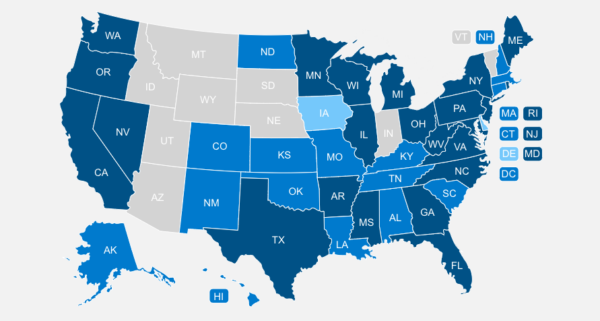

Cause Marketing and Commercial Co‑Venture by State: Essential Registration Requirements Guide
Cause-Marketing and Commercial Co-Venture in Ohio: Essential Registration Requirements Guide
At a Glance
Ohio does not require formal registration for commercial co-venturers, unlike states such as Massachusetts, California, and South Carolina. However, businesses must maintain written agreements with charitable partners, provide transparent consumer disclosures about donation amounts, and keep comprehensive records. While Ohio’s approach is more flexible than many states, businesses must still comply with consumer protection laws and be prepared to provide financial documentation if requested by the Attorney General’s office.
When your business partners with a charity and promises to donate a portion of sales to that cause, you’re entering a commercial co-venture (CCV). This marketing strategy can boost brand image and customer loyalty. Many businesses, however, launch these partnerships without fully understanding the legal requirements that come with them.
Fortunately, Ohio maintains a relatively streamlined approach to commercial co-ventures. Unlike states that demand extensive registration processes, Ohio focuses primarily on proper contracts and consumer transparency. However, this doesn’t mean you can operate without legal considerations.
The regulations surrounding commercial co-ventures vary significantly from state to state, creating a complex landscape for businesses to navigate. While Ohio doesn’t require formal registration for co-venturers, you should have a written agreement with the charity and ensure transparent advertising to avoid deceptive practices. Managing CCV requirements across multiple states can be complex, but we help streamline the process through expert preparation of required filings, compliant disclosure language, and coordination of multi-state requirements.
This guide breaks down everything you need to know about commercial co-venture requirements in Ohio, from contract essentials to disclosure obligations and recordkeeping practices. We’ll also compare Ohio’s approach to other states so you can understand the bigger picture of CCV compliance.
Understanding Commercial Co-Ventures
Commercial co-ventures represent a specific type of charitable marketing that has gained substantial popularity among businesses looking to combine profit with purpose. Before diving into Ohio’s specific requirements, let’s clarify what these partnerships entail.

What qualifies as a commercial co-venture
A commercial co-venture occurs when a for-profit business advertises that purchasing its products or services will benefit a charitable organization or cause. Essentially, it’s a partnership where a company promises that a portion of sales will go to charity. Most states define commercial co-ventures as any advertising or sales promotion where a business represents that the purchase of goods or services will benefit a charitable organization in any amount.
The defining characteristic of a commercial co-venture is the direct connection between consumer purchases and charitable donations. For instance, when Apple partners with (RED) to sell red products with a portion of proceeds going to charity, they’re operating a commercial co-venture.
- The primary entity must be a for-profit business engaged in commerce
- The business must advertise that purchases will benefit a charity
- There must be a donation mechanism tied directly to sales or use of products/services
How CCVs differ from general charitable fundraising
Commercial co-ventures stand apart from traditional fundraising in several key ways. First, they involve businesses whose primary purpose is profit, not fundraising. Additionally, regular charitable fundraising typically involves direct solicitation of donations, whereas CCVs blend commercial activity with philanthropy.
Furthermore, CCVs create a three-way relationship between the business, charity, and consumer. When customers purchase products, they simultaneously support both the business and the charitable cause. This differs fundamentally from traditional fundraising where donors give directly to nonprofits with no commercial transaction involved.
Another distinction involves regulatory oversight. Commercial co-ventures face specific legal requirements regarding contracts, advertising disclosures, and in some states, registration. These regulations aim to protect both consumers and charities from potential exploitation. Notably, when CCV activity spans multiple states, nonprofits may also need to consider whether such activity affects their charitable solicitation registration obligations in those jurisdictions.
Why businesses use CCVs
Companies increasingly turn to commercial co-ventures as a strategic marketing approach. Beyond financial benefits, CCVs create a halo effect that can enhance brand reputation. They enable businesses to support charitable causes in visible ways while simultaneously driving sales. Commercial co-ventures consequently offer a unique win-win-win scenario: charities receive funding, businesses increase sales and improve their image, and consumers feel good about purchases that support causes they value.
Ohio’s Legal Framework for CCVs
Unlike many states that impose complex filing processes, Ohio takes a more streamlined approach to regulating commercial co-ventures. This regulatory framework creates both freedoms and responsibilities for businesses engaging in cause marketing partnerships.
No registration requirement for co-venturers
Ohio stands apart from states like New York, Massachusetts, and California by not requiring formal registration for commercial co-venturers. This means your business can launch a charitable promotion without submitting paperwork to state regulators first. Nevertheless, this lack of registration requirements doesn’t equate to absence of regulation.
- Maintain accurate records of all transactions related to the charitable promotion
- Respond to lawful requests for information from appropriate authorities
- Ensure all marketing materials comply with consumer protection laws
- Fulfill all promised donations as advertised in the promotion
The absence of registration requirements creates a more flexible operating environment yet requires businesses to self-regulate and maintain high standards of accountability.
Written agreement with the charity
Even though Ohio doesn’t require registration, putting a written agreement in place with the charitable organization is a best practice. Before launching any commercial co-venture in Ohio, consider securing:
- Written authorization from the charitable organization
- Clear documentation of how funds will be collected and transferred
- Timeframes for donation payments
- Agreement on how the charity’s name and logo may be used
This agreement protects both parties and establishes clear expectations. The contract should outline donation amounts or percentages, promotional periods, and verification procedures. Both the business and charity should retain copies of this agreement for their records. We can help ensure these contracts meet state-specific requirements while protecting both parties’ interests.
Advertising and deceptive practice rules
Ohio enforces consumer protection laws regarding how charitable promotions are advertised to consumers. Your marketing materials should clearly disclose key terms of the promotion to avoid misleading consumers, such as:
- The charitable organization benefiting from the promotion
- The dollar amount or percentage per purchase that will benefit the charity
- Any maximum donation caps that might apply
- The promotion’s duration and geographic limitations
Misrepresenting donation amounts, beneficiaries, or impact can result in enforcement by the Ohio Attorney General’s office under consumer protection laws. Ensuring transparent, accurate promotional messaging isn’t just ethical—it helps you comply with applicable law.
Although Ohio’s regulatory approach offers more flexibility than many states, the commercial co-venture should still adhere to fundamental principles of transparency, honesty, and contractual clarity. The relative simplicity of Ohio’s framework makes it appealing for businesses, yet requires vigilance in maintaining proper documentation and disclosure standards throughout the promotional campaign.
Contract and Disclosure Requirements
Proper documentation forms the foundation of every legitimate commercial co-venture in Ohio. While the state offers a more flexible framework than many others, your contractual and disclosure obligations remain substantial.
Key elements of a valid CCV contract
Prior to launching any charitable sales promotion in Ohio, you should have a written agreement with your nonprofit partner. This contract serves as the roadmap for your partnership and should include several components:
- Clear identification of both the nonprofit organization and your business
- Specific description of the goods or services being offered in the promotion
- Defined geographic territory where the promotion will operate
- Explicit start and end dates for the promotional period
- Detailed explanation of how the nonprofit’s name and branding will be used
- Permission from the charity to use their name and marks
- Method for calculating donation amounts (percentage, fixed amount per unit, etc.)
- Timeline for when donations will be transferred to the charity
- Provisions for providing accounting information to the nonprofit partner
The contract should also specify the charitable purposes that will benefit from the promotion. Many organizations include language referencing widely recognized disclosure standards for charitable sales promotions. We can help prepare these contracts to ensure all required elements are properly addressed and state-specific requirements are met.

Specifying donation amounts and beneficiaries
Transparency regarding financial arrangements is essential for your commercial co-venture contract. Clearly documenting the following helps align expectations and promote transparency:
- The dollar amount or percentage of each purchase that will benefit the charity
- Any minimum guaranteed donation amount, if applicable
- Any maximum donation cap that might limit total contributions
- Specific timeline for when funds will be transferred to the charity
Ensure your contract mirrors the terms disclosed in your customer-facing advertisements. Vague language like “a portion of proceeds will go to charity” can be misleading; specific disclosures help consumers understand the promotion.
Furthermore, the contract should outline how final accounting will be conducted and provided to the nonprofit. Maintain financial records for your files following the promotion’s conclusion.
Consumer disclosure obligations
Beyond your contractual arrangements with the nonprofit, prioritize clear consumer disclosures. If you have determined the dollar amount or percentage per unit that will benefit the charity, include that information in advertising for the promotion. If the exact amount cannot be determined before launching the promotion, provide an estimate based on relevant facts known to both parties and update public information at the end of the campaign to reflect actual results where appropriate.
Your consumer-facing disclosures should include:
- Name of the charitable organization receiving donations
- Duration of the promotional period (start and end dates)
- Geographic limitations of the offer
- Dollar amount or percentage donated per purchase
- Any minimum or maximum donation limits
Avoid vague phrases such as “a portion of proceeds” that do not communicate specific amounts or conditions. In addition to these elements, many co-venturers publicly disclose total donation amounts at the conclusion of campaigns to maintain transparency.
Financial Reporting and Recordkeeping
Financial transparency forms the backbone of Ohio’s approach to oversight of charitable activity. Even without formal registration requirements for co-venturers, maintain comprehensive financial records and be prepared to demonstrate accountability.
Providing accounting information upon request
During or after your charitable sales promotion, state officials may lawfully request information about the campaign. Be prepared to provide documentation such as:
- Total units sold during the promotional period
- Gross revenue generated from the campaign
- Donation amounts calculated based on contract terms
- Dates when donations were transferred to the charity
Maintaining these records demonstrates good-faith compliance and enables you to respond to inquiries. Organized tracking systems help ensure accuracy and facilitate timely responses to any regulatory requests.
Maintaining records for audits or investigations
Beyond potential requests for information, commercial co-venturers should maintain comprehensive records throughout the campaign and for a reasonable period afterward, including:
- The signed contract with the charitable organization
- Copies of all promotional materials and advertisements
- Complete financial records showing sales and donation calculations
- Documentation of all transfers to the charitable partner
Retention policies that preserve records for several years help ensure you can respond to any regulatory reviews or questions about the promotion’s execution.
Avoiding penalties through transparency
The Ohio Attorney General’s office can take enforcement action against businesses that engage in deceptive or misleading practices related to charitable promotions. To reduce risk:
- Maintain organized, accessible records throughout the campaign
- Respond promptly and completely to any lawful requests for information
- Ensure all financial reports accurately reflect campaign activities
- Preserve documentation showing when and how charitable funds were transferred
Organizations that implement robust tracking systems from the outset face minimal risk of penalties. Proactive transparency creates a defensible position even if questions arise later.
How Ohio Compares to Other States
Examining the national landscape of commercial co-venture regulation reveals substantial differences in compliance requirements across state lines. Understanding these variations becomes vital for businesses operating campaigns in multiple jurisdictions.
States that require CCV registration
Comparatively, a number of states mandate special registration filings for commercial co-venturers. This stands in contrast to Ohio’s approach. States with formal registration requirements include:
- Massachusetts (requiring $200 filing fee)
- South Carolina ($50 filing fee)
- Alabama ($100 filing fee)
- California ($500 filing fee)
Several states additionally require filing of contracts around the time of execution or before campaigns begin. Requirements vary, so review state-specific rules before launching a multistate promotion. For businesses operating across multiple states, we can help coordinate these varying requirements and ensure proper filings are submitted in each jurisdiction.
Bonding and contract filing differences
Beyond registration, certain states impose financial security requirements or specific contract filing rules that are not present in Ohio. For example, some jurisdictions require surety bonds for co-venturers, though registrants typically pay only a portion of the bond’s total value—often just a small percentage based on creditworthiness, similar to an insurance premium. Some states also require filing copies of contracts with the state.
Why Ohio’s model is more flexible but still risky
Ohio’s streamlined approach creates operational advantages yet leaves room for potential pitfalls. Without registration requirements, businesses avoid paperwork burdens faced in other states. Furthermore, lacking bonding obligations eliminates upfront financial commitments.
Yet this flexibility comes with implicit risks. Should consumer complaints arise, Ohio’s Attorney General maintains authority to investigate. Likewise, failing to maintain proper documentation could create risk despite the absence of registration requirements.
Ultimately, Ohio’s model represents a middle ground in the regulatory spectrum—providing fewer hurdles than states with comprehensive registration systems yet offering less certainty than a formal registration process would provide. This balance requires vigilance from businesses to maintain compliance through proper documentation and transparent practices.
Frequently Asked Questions

Conclusion
Commercial co-ventures offer powerful marketing opportunities when executed correctly. Throughout this guide, we’ve explored how Ohio maintains a relatively streamlined approach compared to many other states. The absence of registration requirements certainly provides advantages for businesses looking to engage in cause marketing, yet responsibilities still exist.
First and foremost, put a clear written agreement in place with any charitable organization before launching a commercial co-venture. This agreement serves as the foundation of your partnership and protects both parties involved. Additionally, disclose specific donation amounts to consumers rather than using vague language like “a portion of proceeds.”
Despite Ohio’s flexible framework, recordkeeping remains essential. Maintain comprehensive financial records and be prepared to provide information to the Attorney General’s office if requested. Failure to operate transparently could result in enforcement action.
When comparing Ohio’s requirements to states like Massachusetts, California, and South Carolina, you’ll find significant differences. While these states demand formal registration, filing fees, and sometimes additional steps such as contract filings or bonds, Ohio focuses primarily on transparency and proper documentation. This approach reduces administrative burdens but still expects businesses to uphold ethical standards.
For businesses operating multi-state campaigns, we can help navigate the complex landscape of varying state requirements, ensuring proper filings are prepared and submitted where required while maintaining compliance across all jurisdictions. Additionally, nonprofits should understand that CCV activity may affect their charitable solicitation registration obligations in states where such campaigns are considered solicitation.
Therefore, before launching any commercial co-venture in Ohio, ensure you understand your contractual obligations, maintain thorough records, and provide consumers with transparent information about your charitable promotion. The streamlined nature of Ohio’s framework offers flexibility but still requires diligence to navigate successfully.
Undoubtedly, commercial co-ventures create unique win-win scenarios when managed properly. Your business benefits from enhanced brand perception, charities receive funding, and consumers feel good knowing their purchases support worthy causes. With proper compliance and documentation, your commercial co-venture can effectively balance profit and purpose while avoiding potential regulatory pitfalls.
