
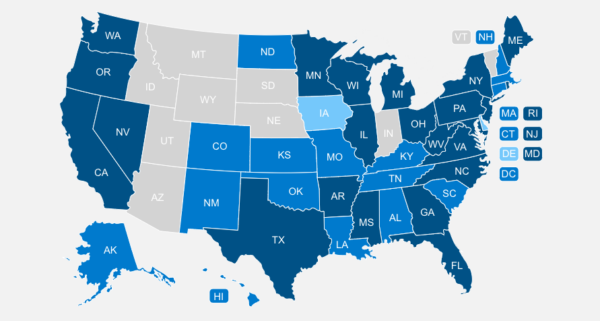

Cause Marketing and Commercial Co‑Venture by State: Essential Registration Requirements Guide
Cause-Marketing and Commercial Co-Venture in South Dakota: Essential Registration Requirements Guide
At a Glance
South Dakota does not require standalone registration for commercial co-venturers, making it less regulated than many other states. However, if your campaign involves paid telephone solicitation, you must register as a paid solicitor with the South Dakota Attorney General’s Office (605-773-4400, consumer.sd.gov) and meet specific notice and reporting requirements. Written contracts with charitable partners and proper financial reporting remain essential best practices for transparency and legal protection.
Are you planning a commercial co-venture with a charity in South Dakota? Partnering with charitable organizations can be an exciting way to boost your brand while supporting important causes. However, before launching your campaign, understanding the specific legal requirements is essential to avoid potential penalties.
Commercial co-ventures in South Dakota require careful attention to state-level regulations. The state does not require a standalone commercial co-venturer registration. However, if your campaign involves paid telephone solicitation, you must register as a paid solicitor with the South Dakota Office of the Attorney General and meet required notice and reporting obligations. While these requirements might seem overwhelming at first, working with experienced compliance professionals like Labyrinth can help streamline CCV requirements, ensuring transparency and protecting both consumers and charitable organizations through expert guidance on state-specific filing and disclosure obligations.
Throughout this guide, you’ll discover exactly what qualifies as a commercial co-venturer in South Dakota, the forms you need to submit, specific contract requirements, financial reporting obligations, and ongoing compliance steps. Additionally, you’ll learn about important deadlines and documentation you must maintain. With this knowledge, you can confidently create cause marketing campaigns that comply with South Dakota law.
Who Qualifies as a Commercial Co-Venturer in South Dakota
Understanding who qualifies as a commercial co-venturer in South Dakota is the first step toward ensuring your cause marketing campaign complies with state regulations. Unlike some states with extensive regulatory frameworks, South Dakota takes a somewhat different approach to commercial co-venture oversight.

Definition under SDCL § 37-30-1
South Dakota law doesn’t explicitly define “commercial co-venturer” as a standalone term. Instead, the state’s statutory framework references commercial co-ventures through the definition of “charitable sales promotion” found in South Dakota Codified Laws (SDCL) § 37-30-1(3). According to this statute, a charitable sales promotion is defined as “any advertising or sales campaign, conducted by a commercial coventurer, which represents that the purchase or use of goods or services offered by the commercial coventurer are to benefit a charitable organization or purpose” as described in South Dakota Codified Laws Chapter 37-30.
Although not directly defined in state statute, the concept of a commercial co-venturer generally refers to for-profit businesses that partner with charitable organizations for promotional campaigns. In practice, this means your business qualifies as a commercial co-venturer if you:
- Are primarily engaged in for-profit trade or commerce
- Conduct a sales or marketing campaign indicating that purchases or use of your products/services will benefit a charity
- Partner with a charitable organization for mutual benefit
This arrangement is typically known as “cause marketing,” where your business benefits from association with a good cause while the charitable organization receives financial support.
Distinction from Professional Fundraisers and Fundraising Counsel
It’s crucial to distinguish commercial co-venturers from other entities involved in charitable fundraising, namely professional fundraisers and fundraising counsel. These distinctions determine your legal obligations in South Dakota.
Professional fundraisers are individuals or organizations that:
- Are hired for compensation by nonprofits specifically to help raise funds
- Directly solicit contributions on behalf of nonprofits through various channels like telemarketing, direct mail, or face-to-face engagement
- Often collect and handle funds directly on behalf of the nonprofit organizations
Fundraising counsel, conversely, provide consultation services to nonprofits about fundraising strategies but typically don’t directly solicit or handle donations themselves.
The key difference lies in your primary business purpose. If your company is primarily a for-profit business that occasionally runs promotions benefiting charities, you’re a commercial co-venturer. If your primary business is fundraising for nonprofits, you likely fall under the professional fundraiser category, which carries different regulatory requirements.
Notably, commercial co-venturers face less stringent regulation than professional fundraisers or fundraising counsel across most states. Professional fundraisers usually must register annually, post bonds, make specific disclosures, maintain detailed records, and file regular reports with both the charitable organization and state authorities.
Importantly, while South Dakota does not currently require state-level registration specifically for commercial co-venturers, this doesn’t mean you’re exempt from all regulatory obligations. Even without a formal registration requirement, your commercial co-venture activities may still be subject to other state regulations governing charitable promotions, particularly regarding honest advertising and proper handling of funds designated for charitable purposes.
Initial Registration Requirements for CCVs
The registration landscape for commercial co-ventures in South Dakota presents some unique features compared to other states. After understanding who qualifies as a commercial co-venturer, let’s examine the specific registration requirements you need to fulfill.
Required Forms: South Dakota Charitable Solicitation Registration
South Dakota takes a distinctive approach to commercial co-venture regulation. Based on current state law, South Dakota does not maintain a traditional registration requirement specifically for commercial co-venturers at the state level. This stands in contrast to many other states that require formal registration before conducting cause marketing campaigns.
Nevertheless, this doesn’t mean you can operate without any regulatory oversight. Depending on your specific promotional activities, you might need to comply with other regulations that govern charitable promotions in the state. Furthermore, the charitable organization you partner with will have its own registration requirements to fulfill. For nonprofits engaged in CCV activities, these campaigns may trigger charitable solicitation registration obligations in South Dakota or other states where the campaign operates.
If your campaign involves paid telephone solicitation, additional requirements apply. Paid solicitors must register with the Office of the Attorney General and file a Solicitation Notice at least thirty days prior to the start of each solicitation campaign, as outlined in the South Dakota Attorney General’s Paid Solicitor Packet. Consequently, it’s essential to evaluate whether your campaign involves direct telephone solicitation activities that might trigger these requirements.
Filing Authority: South Dakota Secretary of State
For businesses conducting commercial co-ventures in South Dakota, the primary regulatory authorities to be aware of include:
- The South Dakota Secretary of State (605-773-4845, sos.sd.gov) – handles general business registrations and filings
- The Office of the Attorney General, Division of Consumer Protection (605-773-4400, consumer.sd.gov) – oversees charitable solicitation activities
If your activities would classify you as a paid solicitor, you must register with the Attorney General. Paid solicitor registrations are annual and must be kept current if solicitation continues from year to year.
Surety Bond Requirement for CCVs
A critical requirement can apply to entities engaged in fundraising activities that involve solicitation: South Dakota may require a surety bond for paid solicitors. When a surety bond is required, registrants typically pay only a portion of the bond’s total value based on creditworthiness, similar to an insurance premium. Because bond amounts and conditions can change and vary based on whether funds are handled, confirm current bond requirements directly with the Office of the Attorney General materials before soliciting, such as the Paid Solicitor Packet.
In conclusion, while South Dakota doesn’t require specific registration for commercial co-venturers, your activities may still be subject to other regulatory requirements, especially if they involve direct telephone solicitation components.
Filing and Disclosure of Contracts
Once you’ve determined your registration status, proper documentation becomes your next priority. A formal contract between your business and the charitable organization forms the cornerstone of many commercial co-ventures in South Dakota.
Written Agreement Requirement with Charitable Organization
A written contract is a best practice and helps ensure transparency and accountability throughout the promotional campaign. South Dakota statutes do not create a CCV-specific contract filing mandate; however, parties acting as paid solicitors are generally expected to have a written agreement with the charitable organization consistent with the Attorney General’s requirements, as reflected in the Paid Solicitor Packet.
Each contract should clearly outline the nature of your relationship with the charitable organization and document all aspects of the commercial co-venture. The agreement serves as an official record of your obligations and protects both parties during the charitable sales promotion. We can help review and organize contract elements to ensure they meet state standards and maintain clear documentation for transparency.
Recommended Contract Clauses
- Names and addresses of all parties involved
- Signatures of authorized representatives
- Effective dates (both start and expiration)
- Clear description of services to be performed
- Complete financial arrangement details
- Percentage or fixed dollar amount that will benefit the charitable organization
- Any fees retained by the commercial co-venturer
- Disclosure of all campaign expenses
Additionally, the financial arrangement section deserves particular attention. The contract should explicitly state the percentage or dollar amount of total funds collected that will benefit the charitable organization. This transparency helps prevent misunderstandings and ensures consumers receive accurate information about their purchases.

Submission Timeline for Contract Filing
Ensure the contract is fully executed before beginning any promotional activities and that the charitable organization receives a copy upon signing. South Dakota does not require filing CCV contracts with a state agency. If you are acting as a paid telephone solicitor, you must file the Solicitation Notice at least thirty days before the start of each campaign, as explained in the Paid Solicitor Packet.
Financial Reporting and Recordkeeping Obligations
After completing your commercial co-venture campaign, your legal obligations may continue with financial reporting and proper recordkeeping, depending on your role in the campaign.
Annual Financial Report Submission
If you are registered as a paid solicitor in South Dakota, you must file a campaign financial report within 90 days after the campaign ends. For campaigns lasting longer than one year, an annual report is due on the anniversary of the campaign’s commencement. Notarization is required for the report. See the Attorney General’s guidance in the Paid Solicitor Packet.
The financial report typically includes:
- Total gross revenue generated
- Itemized breakdown of expenditures incurred during the campaign
Submitting accurate financial information not only satisfies legal requirements but subsequently builds trust with both consumers and charitable partners, ultimately strengthening your cause marketing efforts.
Retention Period for Campaign Records
Maintain detailed records of your campaign and be prepared to provide them to the Attorney General upon request, as applicable to paid solicitors. Refer to the recordkeeping guidance in the Paid Solicitor Packet.
Disclosure of Gross Proceeds and Net Contributions
Transparency regarding financial outcomes remains fundamental to commercial co-ventures. Your reporting should clearly disclose both gross proceeds and net contributions to the charitable organization. Follow any state requirements on handling and remitting funds, including any conditions set forth in the Attorney General’s materials for paid solicitors, such as the Paid Solicitor Packet.
Renewal and Ongoing Compliance
Maintaining compliance for your commercial co-venture requires attention to renewal procedures where applicable. Proper management of these requirements helps you avoid penalties while continuing your cause marketing efforts. We can help coordinate multi-state CCV requirements and track state-specific obligations, providing a single partner to manage ongoing compliance.
Annual Renewal Form and Fee
Because South Dakota does not require a standalone commercial co‑venturer registration, there is no CCV-specific annual renewal. However, paid solicitor registrations are annual and must be renewed if solicitation continues; follow the Attorney General’s instructions for method and timing.
Update Requirements for Material Changes
If you are registered as a paid solicitor, promptly report material changes to your registration information in accordance with the Attorney General’s guidance and forms. See details in the Paid Solicitor Packet.
Consequences of Missed Renewal Deadlines
Operating without required paid solicitor registration or failing to make required filings may result in enforcement by the Attorney General. Ensure renewals and filings are timely to avoid interruptions to your campaign. Guidance is provided in the Paid Solicitor Packet.
Conclusion
Navigating commercial co-venture requirements in South Dakota demands careful attention to detail and thorough understanding of state regulations. Throughout this guide, you’ve learned the essential components needed for compliant cause marketing campaigns. Although South Dakota takes a somewhat different approach to commercial co-ventures compared to other states, specific obligations still apply to your promotional activities.
First and foremost, determining whether your business qualifies as a commercial co-venturer sets the foundation for all subsequent compliance steps. After that, understand when your activities may classify you as a paid telephone solicitor and, if so, register with the Office of the Attorney General and follow required notice and reporting procedures. Additionally, proper documentation through written agreements with charitable organizations establishes clear expectations and legal protection for all parties involved.
Financial accountability remains equally important. If acting as a paid solicitor, your responsibility to submit financial reports within 90 days after campaign completion (and annually for longer campaigns) ensures transparency. Meanwhile, maintaining detailed records safeguards both your business and the charitable organization from potential disputes or regulatory inquiries.
Undoubtedly, renewal and ongoing compliance represent the final pieces of this regulatory puzzle. Paid solicitor registrations renew annually; promptly reporting material changes helps you avoid potential enforcement.
Commercial co-ventures offer valuable opportunities to enhance your brand while supporting worthy causes. Nevertheless, these partnerships carry significant legal responsibilities. Following the guidelines outlined in this article will help you create successful cause marketing campaigns that comply with South Dakota law. Managing CCV requirements can be complex, but working with compliance specialists who understand state-specific regulations helps ensure accuracy and reduces administrative burden. Consequently, both your business and your charitable partners can focus on what matters most – making a positive impact through your collaborative efforts.

Frequently Asked Questions
