
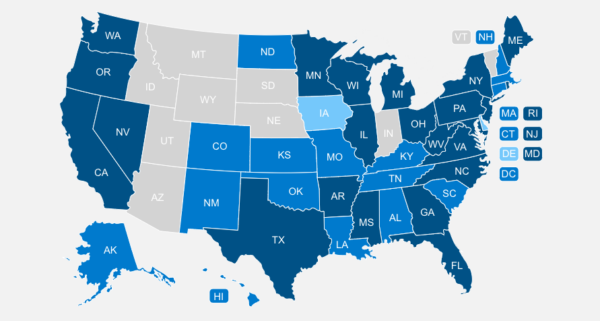

Cause Marketing and Commercial Co‑Venture by State: Essential Registration Requirements Guide
Cause-Marketing and Commercial Co-Venture in Wisconsin: Essential Registration Requirements Guide
At a Glance
Wisconsin does not operate a separate registration program for commercial co-venturers, unlike many other states. When your business partners with a charity for a cause-related marketing campaign, the charitable organization must comply with Wisconsin’s charitable solicitation laws under Chapter 202, and any fundraising professionals involved may need to register with the Wisconsin Department of Financial Institutions. Your primary obligations focus on maintaining clear written agreements with the charity and transparent consumer disclosures.
Are you planning a commercial co-venture to support a charitable cause in Wisconsin? Navigating the legal requirements for these marketing partnerships can be challenging, but ensuring compliance is essential to avoid potential penalties and maintain public trust. When your business promises to donate proceeds from sales to a charity, you may trigger state charitable solicitation rules that apply to the charitable organization and, in some cases, to the fundraising professionals involved in the campaign.
Wisconsin regulates charitable solicitation under Wis. Stat. ch. 202. The state does not operate a separate, stand-alone registration program specifically for commercial co-venturers, but related obligations can apply to the charity and to any fundraising counsel or professional fund-raisers engaged for the promotion. Throughout this guide, you’ll learn how Wisconsin’s framework affects cause-related marketing and what to coordinate with your charitable partner to maintain compliance. For businesses managing multi-state CCV campaigns, we can help ensure accurate preparation of required filings and clear understanding of state-specific requirements.
Legal Definition of Commercial Co-Venture in Wisconsin
Understanding the legal framework for commercial co-ventures in Wisconsin starts with knowing how state law treats these arrangements within the charitable solicitation statutes.

Wis. Stat. ch. 202: Definitions and Key Terms
Wisconsin law defines core terms for charitable solicitation in Chapter 202 (Charitable organizations and fundraising). In general usage, a commercial co-venturer is a for-profit person regularly engaged in commerce that conducts a charitable sales promotion with a charitable organization. While Wisconsin does not run a CCV-specific registration program, the charity must comply with Chapter 202, and any fundraising counsel or professional fund-raiser involved is regulated under those provisions.
The key elements of this concept highlight that a commercial co-venturer typically is:
- Primarily engaged in regular trade or commerce for profit
- Operating outside the context of charitable solicitation as their main business
- Conducting promotional activities that benefit charitable organizations
Commercial co-ventures typically involve advertising or sales where a business represents that the purchase or use of goods or services will benefit a charitable organization or cause. When planning promotions, ensure marketing materials clearly communicate the nature of the benefit to the charity and are consistent with Wisconsin’s charitable solicitation laws.
Distinction Between Commercial Co-Venturer and Professional Fundraiser
A crucial distinction exists between commercial co-venturers and professional fundraisers under Wisconsin law. While both arrangements can help charitable organizations raise money, their roles, primary purposes, and legal obligations differ significantly.
A professional fundraiser is defined under Wisconsin law as a person who, for compensation, solicits in Wisconsin or employs, engages, or provides another person who is paid to solicit. Professional fund-raiser does not include attorneys, investment counselors, or employees of financial institutions advising on contributions in the ordinary course, nor bona fide employees or volunteers of a charitable organization. These definitions appear in Chapter 202 and are summarized by the Wisconsin Department of Financial Institutions (608-266-2139, dfi.wi.gov).
The key differences between these roles include:
- Primary Business Purpose: Commercial co-venturers are businesses primarily engaged in trade or commerce that occasionally run charitable promotions. Professional fundraisers specifically operate in the fundraising industry.
- Compensation Structure: Professional fundraisers receive direct compensation for solicitation activities, whereas commercial co-venturers typically donate a portion of sales or revenue.
- Regulatory Treatment: Wisconsin regulates professional fund-raisers and fund-raising counsel under Chapter 202, including contract filings, bonding, and certain disclosures. There is no separate state registration for commercial co-venturers.
Additionally, Wisconsin law specifically excludes certain professionals from the definition of professional fundraiser, including attorneys, investment counselors, financial institution employees who advise on charitable contributions, and bona fide employees or volunteers of charitable organizations. These exclusions do not generally apply to commercial co-venturers.
Understanding these distinctions is essential since misclassification could lead to non-compliance with applicable regulations and potential legal consequences.
Organizations Exempt from Registration in Wisconsin
Wisconsin law provides several categories of exemptions from charitable registration requirements that apply to organizations involved in commercial co-venture relationships. Understanding these exemptions helps determine whether your business needs to follow standard registration procedures when partnering with charitable organizations.
Religious and Educational Institutions
Religious organizations occupy a unique space in Wisconsin’s regulatory framework. The law exempts certain religious entities from charitable registration requirements. In addition, nonprofit, postsecondary educational institutions accredited by a regional accrediting agency approved under 20 USC 1099b, and educational institutions with authorized charitable foundations that limit solicitations to specified internal audiences, are exempt under Wisconsin statutes.
Educational institutions likewise receive special consideration under Wisconsin statutes. Specifically exempt are nonprofit, postsecondary educational institutions accredited by a regional accrediting agency or association approved under 20 USC 1099b. Moreover, educational foundations associated with these institutions also qualify for exemption provided they limit their solicitations to specific audiences. These institutions must confine their fundraising efforts to students, families, alumni, faculty, trustees, corporations, foundations, and patients to maintain their exempt status.
For businesses considering commercial co-ventures with religious or educational entities, it’s essential to verify the organization’s exemption status beforehand, as this affects your filing obligations as a commercial co-venturer.
Charities Raising Less Than $25,000 Annually
Small charitable organizations operating in Wisconsin may qualify for exemption based on their fundraising volume. The state establishes a clear financial threshold: organizations that do not intend to raise or receive contributions exceeding $25,000 during a fiscal year and that meet additional criteria are exempt from registration requirements.
To qualify for this exemption, the organization must additionally ensure:
- All functions, including solicitation, are performed by unpaid volunteers
- No part of its assets or income benefits any officer or member
Notably, this exemption has a crucial limitation: once an organization exceeds the $25,000 threshold, it must register within 30 days after contributions surpass this amount. Consequently, businesses engaging in commercial co-ventures should monitor the charitable organization’s total annual contributions to ensure compliance with registration requirements if the threshold is crossed.
Solicitations Limited to Members or Internal Audiences
Certain organizations that limit their fundraising activities to internal constituencies also qualify for exemption under Wisconsin law. Particularly, a fraternal, civic, benevolent, patriotic, or social organization that solicits contributions solely from its membership is exempt from registration.
This exemption recognizes that member-based organizations primarily fundraise within their established community rather than from the general public. For commercial co-ventures, this distinction becomes important when partnering with member-based organizations, as the exemption only applies when solicitations remain within the membership base. Should the partnership extend to soliciting non-members, registration requirements would likely apply.
Wisconsin statutes also provide exemptions for several other categories including veterans organizations, political candidates and committees, organizations soliciting for named individuals, state agencies, local government units, private schools, and certain federally-chartered corporations. Each exemption category has specific criteria that must be fully met to qualify.
Understanding these exemptions ensures your commercial co-venture complies with Wisconsin’s regulatory framework while supporting charitable causes effectively.
Initial Registration Requirements for Commercial Co-Venturers
For businesses planning to engage in commercial co-ventures with charitable organizations in Wisconsin, certain planning and documentation steps are prudent prior to solicitation activities. However, Wisconsin does not require a state registration specifically for commercial co-venturers.
No CCV-Specific State Registration
Once you determine your business qualifies as a commercial co-venturer and isn’t otherwise regulated as a professional fund-raiser or fundraising counsel, note that Wisconsin does not operate a separate registration program for commercial co-venturers. Instead, ensure the charitable organization is properly registered or exempt, and determine whether any fundraising professionals involved must register with the Wisconsin Department of Financial Institutions before beginning solicitation activities.
For businesses running multi-state campaigns, coordinating state-specific requirements and ensuring accurate preparation of necessary documentation across jurisdictions becomes increasingly important to maintain compliance.
No CCV-Specific Surety Bond Requirement
There is no surety bond requirement that applies specifically to commercial co-venturers in Wisconsin. Bonding requirements in Wisconsin apply to fundraising professionals: fundraising counsel must maintain a bond, and professional fund-raisers must maintain a bond if they have custody of contributions or a smaller bond if they do not. These bonding requirements do not apply to commercial co-venturers.

Filing Fees
Because there is no Wisconsin state registration for commercial co-venturers, there is no CCV-specific state filing fee. Fees may apply to the charitable organization’s own registration or to filings required of fundraising professionals, if applicable.
Ultimately, thorough coordination with the charitable organization, and with any fundraising counsel or professional fund-raiser, will position your business for compliance with Wisconsin’s charitable solicitation framework.
Contract Filing and Disclosure Obligations
First and foremost, any business engaging in a commercial co-venture should formalize the arrangement through proper documentation and clear disclosures to consumers. Wisconsin law requires written contracts and certain filings for fundraising counsel and professional fund-raisers, but it does not impose a separate state contract filing requirement for commercial co-venturers.
Written Agreement Between the Business and the Charity
Although Wisconsin does not require commercial co-venturers to file their agreements with DFI, a written agreement with the charitable organization is a best practice. If fundraising counsel or professional fund-raisers are involved, Wisconsin law requires written contracts and associated filings for those professionals before services begin.
When CCV activity extends across state lines, nonprofits should be aware that such campaigns may trigger charitable solicitation registration requirements in additional jurisdictions where the activity is considered solicitation. We help nonprofits understand these multi-jurisdictional obligations and coordinate varying requirements across states.
Contract Filing — Applies to Fundraising Professionals, Not CCVs
Wisconsin requires fundraising counsel and professional fund-raisers to file certain documents (e.g., contracts and, for professional fund-raisers, solicitation notices) with DFI before services begin. There is no separate statute requiring commercial co-venturers to file their contracts with DFI.
Advertising and Consumer Disclosures
Wisconsin does not publish a CCV-specific advertising template. However, promotional materials should clearly communicate the charitable nature of the sales promotion, including how the charity benefits, in a manner consistent with Wisconsin’s charitable solicitation and consumer protection laws. When a professional fund-raiser conducts solicitations, Wisconsin law prescribes specific pre-solicitation disclosures.
Careful attention to these documentation and disclosure needs helps establish trust with both charitable partners and Wisconsin regulators.
Financial Reporting and Recordkeeping Duties
Beyond contractual considerations, Wisconsin’s charitable solicitation framework imposes accounting and recordkeeping obligations on charities and fundraising professionals.
Financial Reporting by Professional Fund-Raisers
Professional fund-raisers must submit a financial report after completing services under a contract, generally within 90 days after the close of the fundraising activity, and, for contracts lasting more than one year, on the anniversary of the signing date. Charitable organizations also have separate annual financial reporting requirements to DFI that are due within 12 months after their fiscal year end. There is no CCV-specific financial report filed with DFI.
Recordkeeping and Availability to Regulators
Maintain accurate records sufficient to substantiate the charitable sales promotion and the amounts remitted to the charity. Upon request from DFI, regulated parties (such as the charity and any fundraising professionals) must be able to make relevant records available for inspection and copying.
Final Accounting to the Charity
Throughout your co-venture activities, track both gross receipts and the expenditures incurred in connection with the charitable sales promotion so the charity can confirm the amounts it ultimately receives. When professional fund-raisers are engaged, Wisconsin law requires a final accounting to the charity and a filing to DFI.
Conclusion
Navigating Wisconsin’s laws for cause-related marketing requires careful attention to roles and filings. Wisconsin does not require a separate state registration or bond for commercial co-venturers. Instead, focus on ensuring the charitable organization is properly registered or exempt, determining whether any fundraising professionals must register and file documents with DFI, using a clear written agreement with the charity, and maintaining transparent accounting and records.
Before launching any cause-related marketing campaign, remember that Wisconsin law regulates professional fund-raisers and fundraising counsel, including bonding, contract filings, solicitation notices, and financial reports. Although these requirements do not apply to commercial co-venturers directly, coordination with your charitable partner and any fundraising professionals is essential to overall compliance. We provide expertise on state-specific CCV requirements to help ensure accurate preparation of necessary documentation and reduce administrative burden for both businesses and nonprofits.
Commercial co-ventures offer valuable opportunities to support charitable causes while building positive brand associations. Treating these obligations as essential business functions helps avoid compliance issues and builds trust with consumers and charitable partners alike.

Frequently Asked Questions
