

Cause Marketing and Commercial Co‑Venture by State: Essential Registration Requirements Guide
Cause-Marketing and Commercial Co-Venture in Wyoming: Essential Registration Requirements Guide
At a Glance
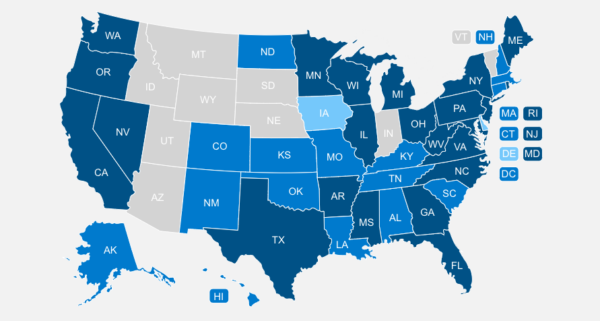
Wyoming does not require state-level registration for commercial co-venturers, setting it apart from many other states. However, written agreements with charitable partners remain essential, and local regulations within Wyoming counties may still apply. If your campaign extends beyond Wyoming, you’ll need to comply with each state’s specific requirements.
Understanding Commercial Co-Venturer Roles in Wyoming
Commercial co-ventures represent a growing aspect of corporate social responsibility, blending profit-driven business with charitable giving. To navigate this space successfully in Wyoming, first understand what actually constitutes this relationship.

What qualifies as a commercial co-venturer
A commercial co-venturer (CCV) is typically a for-profit business that partners with a charitable organization for mutual benefit. Essentially, the company conducts, promotes, or sponsors a sale or event that promises some benefit to a charity. This arrangement occurs whenever a business advertises that purchasing their goods or services will benefit a charitable organization or cause in some way.
Consider the classic example: “Buy our product and we’ll donate $1 to charity.” Another common scenario involves sporting events dedicated to specific causes, where a portion of ticket or concession sales benefits a nonprofit. These arrangements create a win-win situation—the business gains positive publicity and potentially increased sales, while the charity receives valuable funding.
For classification purposes, the commercial entity must be primarily engaged in commerce for profit, rather than charitable activities themselves. Additionally, if a company simply promotes a charity without tying purchases to donations, it typically wouldn’t qualify as a CCV arrangement.
How CCVs differ from professional fundraisers
- Primary business focus: CCVs are primarily engaged in regular commercial activities, whereas professional fundraisers and fundraising counsel are hired specifically to help nonprofits raise funds.
- Consumer interaction: Professional fundraisers often solicit donations directly through telemarketing, direct mail, or face-to-face interactions, and they frequently collect funds on behalf of nonprofits. Professional fundraising counsel, however, generally assist with fundraising strategy without consumer contact.
- Regulation intensity: Professional fundraisers face stricter regulations, being required to register in all but six states and the District of Columbia. In contrast, CCVs must register in only a handful of states.
- Contractual differences: Both arrangements require written contracts, but the specific requirements vary considerably based on state regulations and relationship type.
Why Wyoming is unique in its approach
Wyoming stands apart from many states in its regulatory approach to commercial co-ventures. Notably, Wyoming does not currently require state-level registration for commercial co-venturers.
Nevertheless, this absence of registration requirements doesn’t mean complete freedom from regulation. Commercial co-venturers in Wyoming may still need to follow other regulations before and after fundraising events. For instance, maintaining proper documentation of the partnership agreement remains essential.
The state’s approach creates a more streamlined process for businesses looking to engage in cause marketing compared to states like Massachusetts, which requires commercial co-venturers to register with the Attorney General, file a surety bond (where registrants typically pay only a small percentage of the bond’s total value based on creditworthiness), and submit governing contracts, as outlined in the Massachusetts Attorney General professional fundraiser guide.
Despite the relatively hands-off approach at the state level, businesses should remain mindful that local regulations might apply. Additionally, if your campaign extends beyond Wyoming, you’ll need to comply with the regulations of each state where your promotion is active.
Initial Registration Requirements
Unlike many regulated fundraising activities, commercial co-ventures in Wyoming operate under a distinct regulatory framework that businesses should understand before launching campaigns. For complex multi-state requirements, we can help streamline the compliance process.
Is registration required in Wyoming?
The good news for businesses planning commercial co-ventures in Wyoming is straightforward: state-level registration is not required.
This absence of registration requirements marks a significant difference from states like Massachusetts, which requires commercial co-venturers to register with the state Attorney General, file a surety bond (where applicants typically pay only a small percentage of the bond’s total value as a premium), and submit governing contracts within 10 days of execution and prior to beginning any sales promotion, as detailed in the Massachusetts Attorney General professional fundraiser guide. Similarly, South Carolina requires registration and filing before any commercial co-venture activity can commence.
Although Wyoming lacks formal registration procedures, your business should still maintain comprehensive documentation of all charitable partnerships. Simply because registration isn’t required doesn’t mean the activity is unregulated—other state laws and consumer protection regulations may still apply to your campaign.
Local vs. state-level obligations
Even without state requirements, certain local obligations may exist within Wyoming. Some counties and municipalities throughout Wyoming might require charities that solicit in-person to register before fundraising activities begin. This primarily affects face-to-face solicitation rather than traditional commercial co-venturers.
Prior to launching your campaign, contact the specific counties or municipalities where you’ll be operating to verify any local registration requirements. This precautionary step can prevent potential compliance issues later on.
Beyond registration, it’s advisable to:
- Document all agreements with charity partners
- Maintain accurate financial records of all promotional activities
- Ensure all marketing materials clearly disclose the terms of your donation structure
- Verify that your charity partner is properly registered (if they’re soliciting in states requiring registration)
When working with nonprofit partners, note that multi-state CCV campaigns may trigger charitable solicitation registration requirements in certain jurisdictions where such activity is considered solicitation.
What to do if operating in multiple states
For businesses conducting commercial co-ventures across state lines, the regulatory landscape becomes considerably more complex. Many states have laws governing commercial co-ventures, with varying requirements that demand careful attention.
Some states require registration and, in certain cases, bonding for commercial co-venturers (for example, Massachusetts requires registration and a surety bond, as noted by the Massachusetts Attorney General professional fundraiser guide; South Carolina requires registration).
When planning multi-state campaigns, consider these essential steps:
First, identify all states where your promotion will be active. Subsequently, research each state’s specific requirements—these vary substantially across jurisdictions. Some states prescribe remittance timelines or cancellation rights in CCV contracts, while others focus on pre-filing and disclosure rules via the Attorney General or Secretary of State.
Failure to comply with state regulations can result in significant consequences, including financial penalties. In certain states, non-compliance with registration requirements may even lead to criminal penalties, underscoring the importance of thorough preparation.
We can help navigate the complexities of multi-state CCV requirements, ensuring proper filings and disclosures are prepared accurately across all jurisdictions. The safest approach involves contacting regulatory authorities in each state where your commercial co-venture will operate, plus your business’s home state, to complete any necessary registration before initiating your fundraising campaign.
Contract Filing and Disclosure Rules
Written documentation serves as the foundation of any commercial co-venture relationship, especially when legal obligations come into play. Even in states with minimal regulations like Wyoming, proper contractual agreements protect both businesses and their charitable partners.
When a written agreement is needed
In most circumstances, a written agreement should always be in place when conducting a commercial co-venture, regardless of local requirements. Legal best practice is to formalize charitable sales promotions through written contracts to memorialize each party’s responsibilities and revenue distribution. This practice protects both parties and provides clarity about expectations.
While Wyoming doesn’t mandate filing contracts with state authorities, understanding the broader landscape helps when your promotion extends beyond state lines. Throughout the country, many states require commercial co-venturers to register or file their governing contracts with state offices. For example, Massachusetts requires filing the contract within 10 days of signing and before beginning any promotion, as described in the Massachusetts Attorney General professional fundraiser guide.

Best practices for contract language
When drafting your commercial co-venture agreement, include these key elements to ensure comprehensive compliance:
- Complete names and addresses of all parties involved
- Clear beginning and expiration dates for the promotion
- Detailed description of services to be performed
- Financial terms including the exact percentage or dollar amount benefiting the charity
- Comprehensive accounting procedures
- Termination provisions
Several states have specific language requirements worth incorporating into all contracts. Some jurisdictions prescribe specific clauses, such as cancellation rights or inclusion of designated agency contact information, and may require multiple officer signatures and inclusion of the organization’s registration number, where applicable.
Beyond legal requirements, strong contracts should clearly outline measurement terms. The charitable beneficiary must be specifically named (not generically described as “environmental charities”) and the donation amount must be concrete (such as 10 cents per item or 1% of sales).
County-level filing considerations
Within Wyoming, pay careful attention to county-specific requirements. Even without state-level registration, certain counties may impose local filing obligations for charitable promotions. Unfortunately, these regulations vary by locality, making it essential to check with each county where your promotion will operate.
For multi-state campaigns, reporting obligations become increasingly complex. Following the promotional period, some states require post-promotion accountings to the charity and/or the state within specified timeframes.
Proper disclosure represents an equally important aspect of compliance. Several states require specific disclosures at the point of sale or solicitation. These typically include the exact or estimated percentage/amount benefiting the charity from each purchase. For comprehensive protection, follow the BBB Wise Giving Alliance Standard 19, which recommends disclosing the portion of purchase price benefiting the charity, campaign duration, and any maximum or minimum contribution amounts.
Campaign Reporting and Financial Disclosures
What to track during a campaign
Throughout your commercial co-venture, you’ll need to monitor several key financial elements:
- Total sales volume: Track all transactions involved in the promotion
- Donation amounts: Calculate exactly how much each sale generates for the charity
- Geographic distribution: Monitor where sales occur, particularly for multi-state campaigns
- Promotion expenses: Document costs associated with running the campaign
Many states require detailed tracking of these metrics throughout your campaign. Moreover, monitoring sales volumes by state helps determine where state-specific requirements might apply.
When and how to report financials
Reporting timelines and filing methods vary by jurisdiction. Some states require filing a closing statement with the Attorney General or providing a final accounting to the charity after the campaign concludes, while others may require additional interim or annual reporting. Always consult the applicable state Attorney General or Secretary of State for specific deadlines and forms.
Recordkeeping tips for compliance
Maintaining comprehensive documentation protects both your business and charity partners:
First, establish a dedicated filing system for all campaign materials. Subsequently, document all consumer-facing promotional materials and advertisements. Thereafter, consider implementing automated tracking systems for accurate sales reporting.
Retain records consistent with applicable state requirements. Adopting a multi-year retention period is a prudent baseline unless a specific state rule prescribes a longer or shorter timeframe.
Even absent specific Wyoming requirements, maintaining robust records offers protection against potential disputes. Furthermore, if your campaign extends to other states, having comprehensive documentation readily available simplifies compliance with varying state requirements.
Finally, consider partnering with your charity to establish unified reporting protocols so that both parties can meet any post-campaign obligations required by other states where the promotion ran.
Annual Renewal and Ongoing Compliance
Is annual renewal required in Wyoming?
Wyoming stands apart from many states in that it does not mandate annual renewal for commercial co-ventures at the state level. This simplified approach reflects Wyoming’s overall regulatory framework, which does not require traditional registration for commercial co-venturers in the first place.
Given that Wyoming lacks formal registration requirements, there is accordingly no renewal process to maintain. This differs considerably from states like Massachusetts or South Carolina, where commercial co-venturers must regularly update their registrations and filings, as described by the Massachusetts Attorney General professional fundraiser guide.
Nonetheless, the absence of renewal requirements doesn’t eliminate all ongoing responsibilities. Your business should still maintain comprehensive documentation of all charitable partnerships and promotional activities. These records serve as protection should questions arise about your campaign.
How to stay compliant if laws change
- Establish a compliance calendar with regular check-ins
- Connect with professional associations tracking fundraising regulations
- Consider periodic legal reviews of your co-venture practices
- Document all compliance efforts thoroughly
Importantly, even without formal state requirements, you still need to adhere to broader consumer protection laws and truth-in-advertising regulations that apply to all promotional activities.
The commercial co-venture landscape varies dramatically across states, with requirements ranging from comprehensive oversight to minimal regulation. Altogether, these variations make it crucial to stay informed about emerging trends in regulation.
Monitoring local updates and changes
In essence, your compliance strategy should extend beyond state requirements to include county and municipal regulations. Some Wyoming counties and municipalities may require charities soliciting in-person to register prior to fundraising. This local focus becomes particularly relevant for promotional events or in-person activities tied to your commercial co-venture.
For multi-jurisdictional campaigns, the complexity increases exponentially. Your business should develop systems for tracking requirements across all locations where your promotion runs. Typically, this involves:
- Creating jurisdiction-specific compliance checklists
- Setting calendar reminders for filing deadlines
- Describing who on your team is responsible for specific geographic areas
In the absence of formal renewal requirements, focus on maintaining accurate records and clear communication with your charitable partners. This approach provides the strongest foundation for ongoing compliance as regulations evolve.
Conclusion
Commercial co-ventures offer your business a meaningful way to contribute to charitable causes while potentially boosting your brand image and sales. Wyoming certainly stands out as one of the states without formal registration requirements for commercial co-venturers, thus creating a more streamlined path for businesses eager to launch cause-related marketing campaigns.
Despite this apparent simplicity, you must still approach your commercial co-venture with careful planning. First and foremost, written agreements remain essential even when not mandated by state law. These contracts protect both parties and establish clear expectations about donation amounts, timeframes, and responsibilities. Additionally, thorough financial tracking throughout your campaign ensures accountability and prepares you for any reporting needs.
Local regulations within Wyoming counties or municipalities might still apply to your campaign, especially for in-person solicitations. Therefore, checking with local authorities before launching any promotion represents a prudent step in your planning process.
The regulatory landscape becomes significantly more complex if your campaign extends beyond Wyoming. Some states require registration (and in certain cases, bonding), and others impose various contract filing and disclosure requirements. As a result, multi-state campaigns demand careful research and compliance planning across all relevant jurisdictions. For complex multi-state requirements, we can help prepare required CCV filings, ensure disclosures meet state standards, and coordinate obligations across jurisdictions.
Your recordkeeping practices ultimately provide the foundation for ongoing compliance. Though Wyoming doesn’t require annual renewals, maintaining comprehensive documentation for multiple years after campaign completion safeguards your business against potential disputes or regulatory questions.
Commercial co-ventures undoubtedly create win-win opportunities for businesses and charities alike. With proper understanding of Wyoming’s unique regulatory approach—coupled with diligent contract practices, financial tracking, and compliance monitoring—you can confidently launch a campaign that benefits both your business and your chosen charitable cause while staying legally sound.

Frequently Asked Questions
