

Nonprofit Annual Filing Requirements
Annual filing requirements differ by state. Use our summary guide and state-specific articles to understand what your organization must submit to stay in good standing.
A Guide to Keep Your Good Standing Every Year
Maintaining your nonprofit’s good standing requires fulfilling annual reporting obligations at the state and federal levels. These filings demonstrate fiscal transparency, uphold regulatory expectations, and protect your organization’s legal and tax-exempt status. This guide provides a clear and approachable overview of your ongoing responsibilities and how to stay ahead of them.
See Specific Requirements by StateUnderstanding Nonprofit Annual Filing Requirements
Annual requirements ensure that your organization remains properly registered and operates according to its stated purpose. These filings provide the public and state authorities with visibility into your nonprofit’s financial activity, governance, and stewardship of charitable resources. While requirements vary by state, the general obligation remains consistent. Organizations must submit periodic filings that verify their continued eligibility to operate as charitable entities.
This guide focuses on the annual obligations required to maintain your nonprofit’s legal and charitable standing. Initial registrations, such as first‑year charitable registration or corporate formation are separate processes completed before these recurring requirements begin.
For nonprofits that need more information about these initial steps, related resources are available to help you understand state registration rules and first‑year filing obligations. These resources outline the documents required to establish your organization before its annual reporting cycle begins.
Why These Requirements Exist
Key Components of Annual Filings
Across the United States, nonprofits typically have three recurring annual obligations. Specific requirements can vary by state and may include additional obligations such as audited financial statements or supplemental disclosures for larger organizations:
- State-level corporate filings verify leadership structure and legal entity details, ensuring the organization’s foundational information remains accurate and publicly recognized.
- State-level charitable obligations may include renewing charitable solicitation registrations or submitting annual reports, providing required disclosure for organizations soliciting donations and supporting accountability and transparency. Some states also require ongoing state-specific charitable disclosure statements, which frequently change.
- Federal Form 990 filings report financial activities, operations, and governance to the IRS, with the specific version of the 990 depending on your organization’s size and receipts.
State Registration Requirements
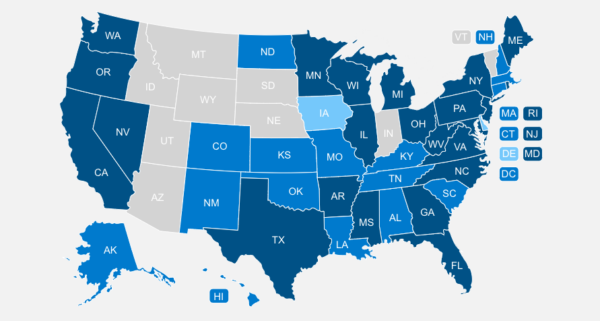
Beyond federal filings, every state has unique annual reporting expectations. Some require annual or biennial corporate reports that update your leadership information, registered office, and organizational details. Others require charitable solicitation renewals for organizations that raise funds within the state. States may also require financial disclosures, including audited financial statements for larger organizations. Because these obligations differ considerably by jurisdiction, be sure to reference the state‑specific table below for detailed information.
Maintaining Accurate Contact Information and Registered Agent Details
In addition to required filings, every nonprofit must maintain accurate contact information and a current registered agent in each state where it is incorporated or registered to conduct activities. States rely on this information to deliver legal notices, reminders, and regulatory correspondence. Failing to keep these details updated can result in missed deadlines, delayed notices, or even administrative suspension. Many states require a formal filing to update an address or change a registered agent, making it an essential part of your ongoing annual responsibilities.
Keeping Your Filing Responsibilities on Track
How Labyrinth Helps
Managing nonprofit filing obligations across states can be time‑consuming. Labyrinth helps by preparing the required filings, reviewing state-specific rules, and monitoring deadlines, so your organization stays current without the administrative burden.
If you’re unsure which filings apply to you or whether your revenue levels trigger additional requirements, please contact us to review your situation and receive clear guidance, ensuring nothing is missed.