

Cause Marketing and Commercial Co‑Venture by State: Essential Registration Requirements Guide
CCV Obligations for Businesses and Nonprofits
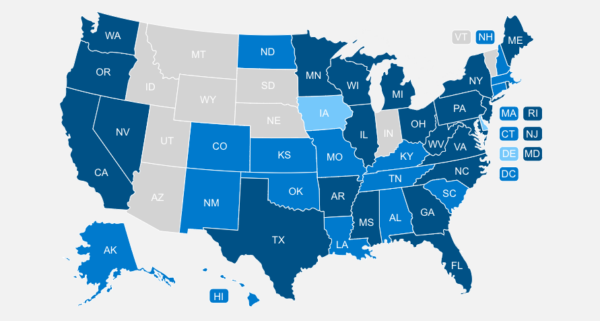
When your business partners with a nonprofit to raise funds or promote a charitable cause, you may be classified as a commercial co-venturer (CCV). Both the business and the nonprofit may have filing or disclosure responsibilities depending on the state. Several states require registration, specific documentation, and sometimes bonding before and after a campaign.
Refer to the state‑specific resources below in the State Registration Requirements section to understand how CCV obligations apply to both parties and whether your campaign triggers specific state‑level compliance.
To learn more about hands‑on support for CCV filings and multi‑state registration management, explore our managed filing service for cause‑marketing and commercial co-ventures.
What Is a Commercial Co‑Venturer?
A commercial co-venturer is a for-profit business that runs a campaign in which the promotion of a product or service results in a financial benefit to a nonprofit organization. The business typically emphasizes that a portion of sales, or another defined metric, will support a charitable cause. In these arrangements, the commercial entity benefits from brand alignment, goodwill, and increased customer engagement, which is why states impose disclosure and registration compliance on CCVs.
CCVs vs. Nonprofits
While CCVs are regulated as the commercial party, nonprofits that participate in these promotions are not treated as CCVs. However, nonprofits have their own obligations, including providing accurate public representations, understanding how funds are calculated, reviewing contract terms, and, in some states, meeting their own charitable solicitation obligations. The nonprofit is the recipient of the benefit, while the CCV is the driver of the promotion. Because the CCV gains a commercial advantage, the burden of meeting regulatory requirements primarily falls on the business, not the nonprofit.
State Registration Requirements
Compliance obligations vary significantly from one state to another. In some states, a business must register as a CCV before launching the campaign, while others require the advance submission of a contract outlining how donations will be calculated and transferred. Certain jurisdictions require the maintenance of a surety bond to protect charitable beneficiaries, and many require post-campaign financial disclosure, summarizing the results of the promotion. If your business expects to run similar charitable promotions in subsequent years, states with annual registration may require renewal to continue operations.
Refer to the requirements for each state using the links provided below.
Why Compliance Matters
When cause‑related marketing is conducted transparently, customers feel confident that their purchases genuinely support charitable missions. Proper compliance ensures that the funds raised are accurately documented and that nonprofits receive the benefits they were promised. Clear and lawful CCV practices also strengthen long‑term relationships between businesses and charitable organizations. They also help reduce the risk of fines, penalties, reputational damage, or restrictions on future fundraising efforts.
How Labyrinth Helps
Managing state‑by‑state CCV compliance can be complex, especially when promotional campaigns run across multiple jurisdictions simultaneously. Labyrinth assists in preparing and filing the necessary registrations, ensuring contracts contain the required language, and tracking deadlines so that renewals and closing reports are filed on time. By handling the administrative and regulatory details, we enable your team to focus on the campaign's purpose and messaging, rather than compliance logistics.
If you’re unsure whether your promotion qualifies as a CCV or which states require registration, our team can evaluate your campaign and determine what’s required. Contact us to get started.